
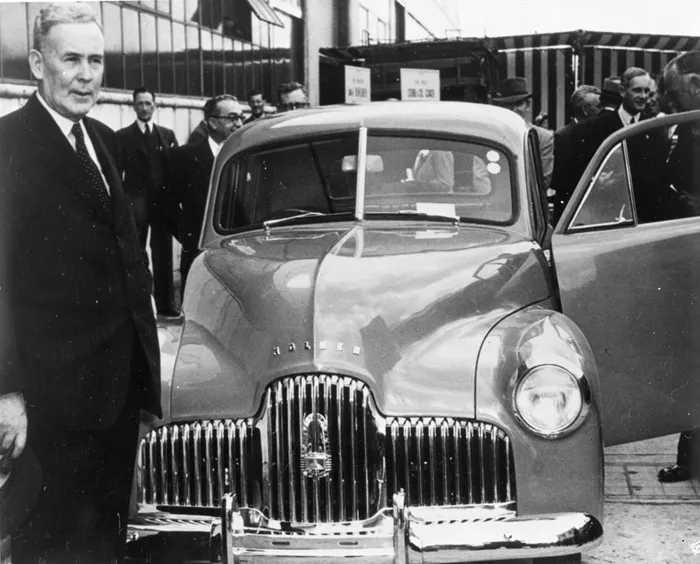
Australia boasts a rich automotive history that flourished during the 20th century through the establishment of domestic manufacturing plants by major international automakers. The industry reached its peak in the 1970s with nearly half a million vehicles produced annually, cementing the nation's reputation for engineering robust, large-sized passenger vehicles tailored to unique local conditions.
Pioneering milestones included the introduction of early steam and petrol-driven cars like the Tarrant in the early 1900s, followed by mass-production landmarks such as Holden's first Australian-designed vehicle in 1948. Iconic brands including Ford Australia, Holden, and Toyota Australia drove domestic output for decades, utilizing local components and engineering expertise.
Related Stories

Get the Latest Sports News from Seymour's Bird
Receive the latest updates on football, basketball,and technology news directly in your inbox. It's free!
SubscribeEconomic shifts, rising import dominance from Asia and Europe, and changing market dynamics eventually transformed the landscape. Factory closures by Ford, Holden, and Toyota between 2016 and 2017 concluded decades of local passenger vehicle manufacturing, marking the end of an era for mass-produced light cars.
Despite the conclusion of passenger car assembly, Australia maintains critical design and development capabilities alongside a robust heavy vehicle manufacturing sector. Specialized producers continue to build heavy-duty trucks and buses, ensuring that the nation's engineering legacy endures in specialized commercial transport.
Heavy Vehicles and Commercial Manufacturing Today
Modern commercial vehicle production in Australia centers heavily on heavy-duty trucks and public transport buses. Companies like Kenworth Australia and Volvo Group Australia operate major manufacturing and assembly facilities, delivering specialized semi-trucks designed specifically for demanding regional routes.
Commercial bus manufacturing also remains active, with companies such as Bustech and Denning Manufacturing producing urban transport vehicles locally. These operations highlight the adaptability of Australian industrial capabilities in meeting regional commercial demands.
Representative organizations like the Federal Chamber of Automotive Industries continue to advocate for the sector, navigating the transition toward an import-reliant passenger market while supporting remaining commercial manufacturers.
The evolution of Australia's automotive sector reflects a broader global shift in manufacturing economics, yet the country's contributions to vehicle design and heavy transport engineering remain a vital part of its industrial heritage.