
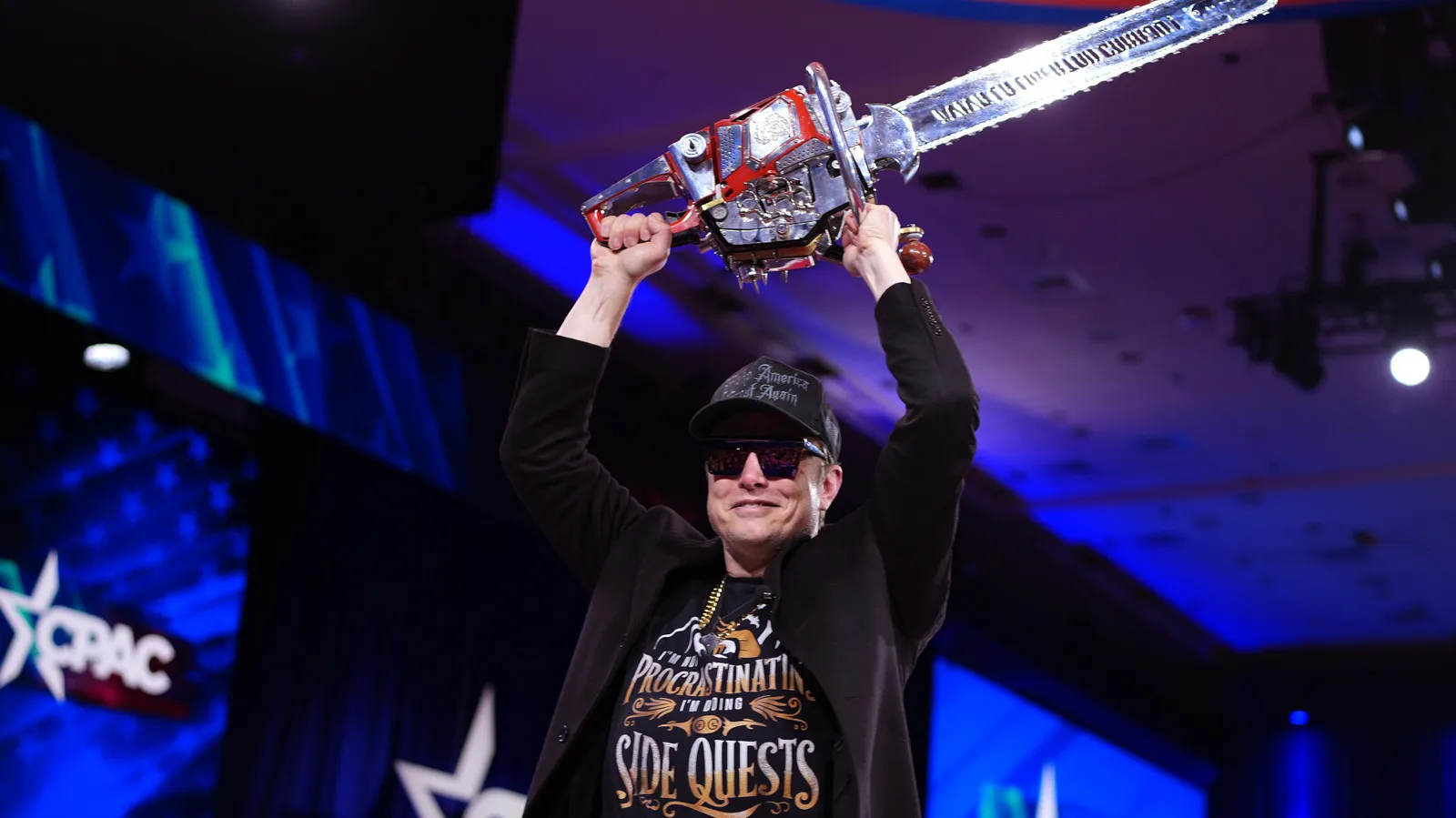
Elon Musk has escalated a bitter public feud with Delta Air Lines CEO Ed Bastian following reports that the airline deliberately bypassed SpaceX's Starlink in favor of Amazon's Leo satellite network. The friction intensified after industry blogs circulated unverified remarks attributed to Bastian, suggesting that Delta opted against a partnership due to concerns over Musk's volatile corporate reputation.
The clash highlights a major corporate battleground over next-generation in-flight Wi-Fi capabilities as major carriers race to provide high-speed streaming connectivity to passengers. While competitors like United Airlines have aggressively integrated Starlink across significant portions of their fleets, Delta chose a long-term partnership with Amazon, aiming to deploy alternative satellite infrastructure.
Related Stories

Get the Latest Sports News from Seymour's Bird
Receive the latest updates on football, basketball,and technology news directly in your inbox. It's free!
SubscribeReacting swiftly on the social media platform X, Musk pulled no punches regarding the leadership fallout, bluntly asserting that Bastian "will lose his job over this". Musk has also repeatedly criticized Delta's current connectivity options, arguing that the airline's intended network configurations remain cumbersome and outdated compared to direct low Earth orbit transmissions.
Industry analysts note that passenger expectations have transformed in-flight Wi-Fi from an ancillary perk into a primary competitive differentiator. As rival carriers actively court disgruntled travelers with offers of superior connectivity, the high-stakes dispute between two of corporate America's most influential figures shows no signs of cooling down.
Airlines Capitalize On Public Tech Clash
Rival carriers have quickly moved to capitalize on the public friction between the tech billionaire and the traditional legacy airline executive. United Airlines launched targeted status match promotions specifically designed to lure frustrated flyers seeking reliable high-speed internet access away from Delta.
The competitive scramble underscores how rapidly passenger loyalty can shift based on technological infrastructure investments. Passengers increasingly evaluate carriers based on digital utility, making reliable broadband access an essential benchmark for modern commercial aviation.
Delta leadership has previously defended its financial and technical calculus, pointing to competitive pricing structures and existing cloud partnerships as key drivers for selecting Amazon's ecosystem. However, executive decisions involving major technology integrations frequently attract intense public scrutiny.
Whether the high-profile war of words will impact consumer habits or corporate strategy over the long term remains uncertain. For now, the public showdown provides a stark reminder of how deeply personal and corporate rivalries intertwine across modern tech and transportation landscapes.