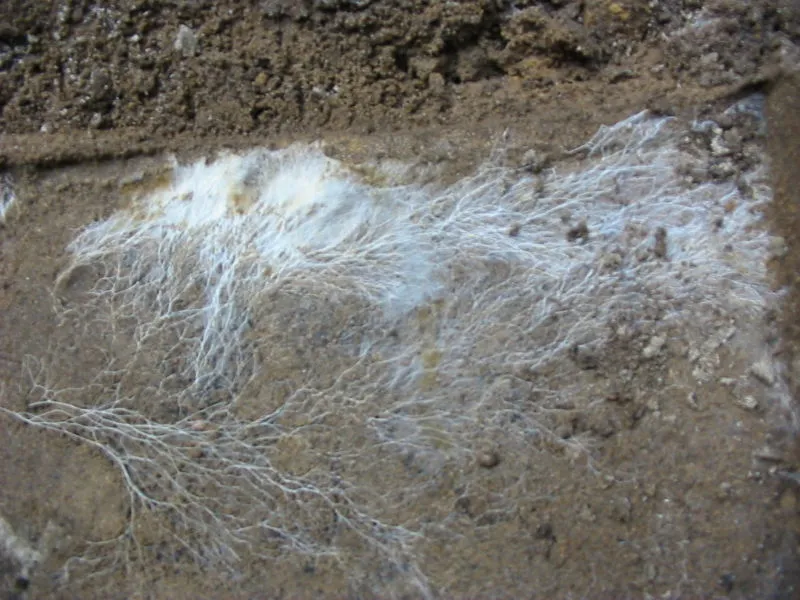
Mycelium is transforming sustainable construction and eco-friendly packaging as researchers and industries look for biodegradable alternatives to traditional, pollution-heavy building materials. Composed of a mass of branching, thread-like hyphae, this fungal network grows rapidly on agricultural waste and can be molded into various shapes for architectural and packaging applications.
As a strong candidate for green architecture, mycelium boasts a high strength-to-weight ratio, low embodied energy, and excellent acoustic and thermal insulation properties. Furthermore, it acts as a natural carbon sink and does not release toxic resins during a fire due to its unique charring effects similar to mass timber.
Related Stories

Get the Latest Sports News from Seymour's Bird
Receive the latest updates on football, basketball,and technology news directly in your inbox. It's free!
SubscribeDespite its promising eco-friendly credentials, using mycelium in large-scale structural projects comes with notable challenges. The material features a much lower compressive strength compared to traditional concrete and remains susceptible to environmental conditions like humidity and moisture, requiring careful handling and maintenance.
Innovations in construction techniques, such as growing blocks in molds, creating monolithic structures in place, and employing bio-welded units, continue to overcome these hurdles. Experts believe that scaling these methods could significantly reduce the carbon footprint of the modern construction and manufacturing industries.
Fungal Bio-Composites Replace Plastics
Fungal bio-composites derived from mycelium are increasingly replacing conventional plastics and polystyrene in global packaging sectors. By cultivating the fungus on agricultural byproducts, manufacturers produce durable, lightweight alternatives that naturally decompose after use.
The self-assembly property of mycelium plays a vital role in these applications, as its dense network of thin strands naturally fuses organic substrates together. This adhesive capability creates a solid, versatile material without relying on synthetic petroleum polymers.
In addition to packaging, industries are utilizing mycelium to manufacture sustainable furniture and artificial leather alternatives. Solid-state fermentation processes allow producers to grow, dehydrate, and treat the fungal mats to match specific commercial requirements.
Ultimately, the integration of mycelium into mainstream commercial pipelines represents a major shift toward circular economies. By turning organic waste into high-value structural and packaging goods, innovators are successfully cutting down landfill waste and industrial emissions.