
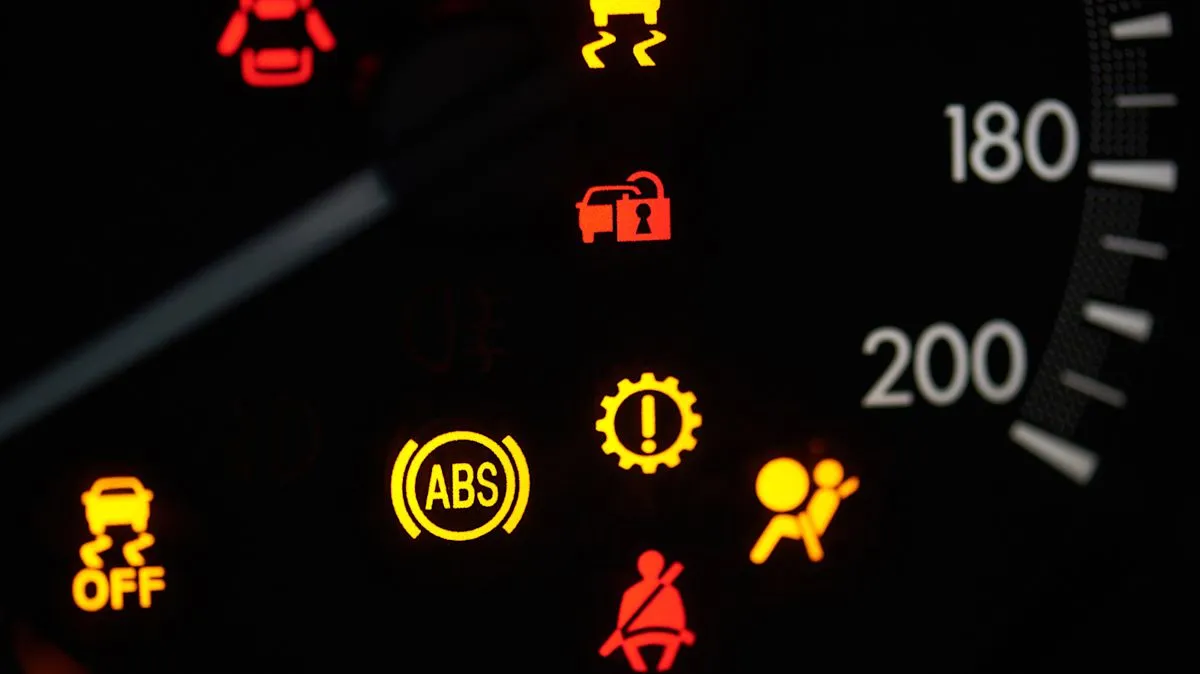
Car repair shops declaring your vehicle too unsafe to drive can instantly trigger anxiety about astronomical repair costs and potential scams. When faced with this grim diagnosis, drivers often wonder about their legal obligations and whether a mechanic has the authority to seize their vehicle. To cut through the uncertainty, legal experts emphasize that understanding your rights and liabilities is the first line of defense against unnecessary panic.
"Experienced mechanics should be able to identify conditions that make a vehicle dangerously unfit for the road, but that doesn't mean every recommendation is beyond dispute," states attorney Doug Burnetti of Burnetti, P.A. Repair facilities must clearly identify the defect, explain immediate risks, and provide written documentation so owners can easily seek a second opinion.
Related Stories

Get the Latest Sports News from Seymour's Bird
Receive the latest updates on football, basketball,and technology news directly in your inbox. It's free!
SubscribeConcerns regarding whether a mechanic can legally prevent you from driving away are common among motorists. According to legal counsel, while a shop can strongly warn an owner and recommend a tow, they do not automatically gain the legal authority to confiscate someone's car simply by declaring it unsafe.
State-specific regulations and vehicle inspection laws further complicate how drivers handle unsafe vehicle warnings. In states requiring mandatory safety inspections, operating a failed vehicle can carry severe legal consequences, though mechanics still do not act as law enforcement officers.
Legal Risks and Second Opinions for Unsafe Cars
Navigating these high-stress situations ultimately requires a balanced approach combining mechanical transparency and caution. Motorists should always request a written diagnosis, arrange a reliable tow if necessary, and verify local guidelines to protect both their safety and their wallet.
Seeking a second opinion is often the most prudent course of action when a repair shop delivers an alarming safety assessment. Bringing in a mobile mechanic or towing the vehicle to an alternative facility ensures that the initial diagnosis is accurate and fair.
"The safest response is to request a written diagnosis, arrange a tow, and obtain another qualified opinion rather than gamble with a failure that could injure the driver or someone else," emphasizes Burnetti regarding risky vehicle operation.
Driving away after receiving a documented safety warning shifts significant legal and financial risk directly onto the vehicle owner. If an accident occurs due to a known defect, liability issues can quickly multiply for anyone who ignored professional advice.