
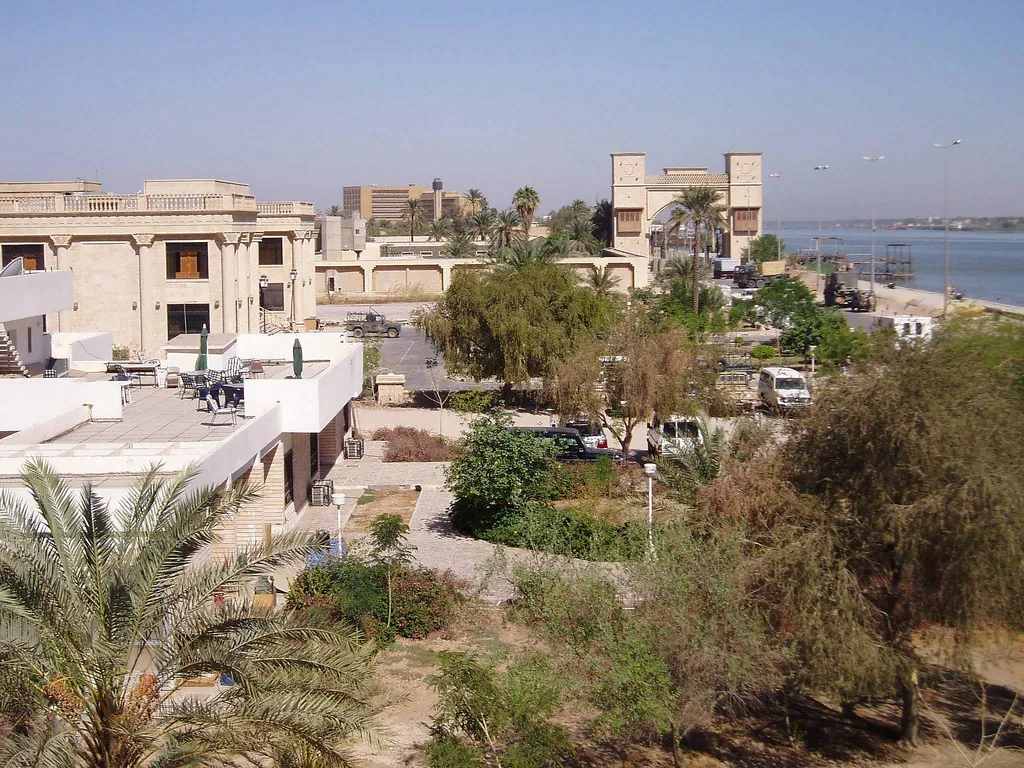
Basra serves as a vital port city and the capital of the Basra Governorate, positioned prominently in southern Iraq along the banks of the Shatt al-Arab. Recognized as the third-largest city in the country, it sits near the border with Iran and plays a critical economic role as Iraq's primary coastal gateway to the Persian Gulf.
Founded originally in 636 as a strategic military encampment during the early Islamic era, the city quickly flourished into a major regional center of knowledge, commerce, and trade during the Islamic Golden Age. Its historical significance is echoed in classic literature, famously serving as the port from which the legendary fictional character Sinbad the Sailor embarked on his journeys.
Related Stories

Get the Latest Sports News from Seymour's Bird
Receive the latest updates on football, basketball,and technology news directly in your inbox. It's free!
SubscribeThroughout its extensive history, the city has navigated numerous political shifts, foreign conflicts, and ruling dynasties, ranging from the Mongols and the Portuguese to the Ottoman Empire. During the 20th and 21st centuries, its strategic location near vital waterways made it a focal point during major conflicts, including the Iran-Iraq War and subsequent coalition operations.
In the modern era, Basra has leveraged its abundant oil reserves and strategic geographical position to drive significant industrial growth and urban reconstruction. Backed by foreign investments and large-scale maritime infrastructure projects like the Grand Faw Port, the city continues to anchor Iraq's international trade and energy sectors.
Geography and Climate of Iraqs Port City
Geographically, Basra occupies a unique lowland environment characterized by its close proximity to major waterways and wetland areas that empty directly into the Persian Gulf. The surrounding region's historical development required massive irrigation and agricultural engineering efforts, tracing back to early infrastructure projects designed to overcome natural desert and marshland barriers.
Climatologically, the area is known for experiencing some of the most extreme weather conditions on earth, with summer temperatures routinely climbing past 50 degrees Celsius or 122 degrees Fahrenheit. These intense thermal patterns present unique challenges for urban planning and municipal service maintenance across the governorate.
As the country's sole coastal territory, the urban landscape combines historical architectural layouts with modern commercial expansions to accommodate heavy maritime traffic and industrial logistics. This layout supports vital shipping lanes that connect domestic markets directly to international shipping routes via the Shatt al-Arab.
Efforts to modernize the city's transport and urban frameworks have focused heavily on balancing industrial expansion with environmental sustainability in a demanding desert climate. Through ongoing infrastructure investments, Basra maintains its position as an indispensable economic engine for the entire region.