
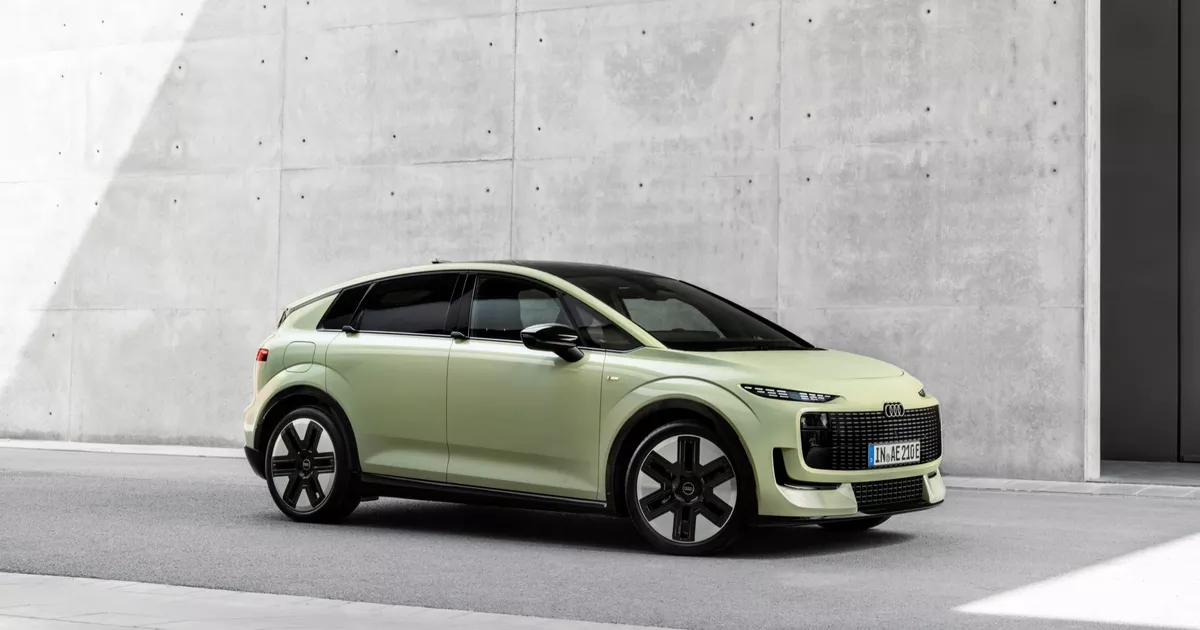
Audi A2 e-Tron has officially broken cover as the German automaker's most efficient electric vehicle in history, drawing direct inspiration from the iconic compact layout introduced back in 1999. Developed in just 21 months using Volkswagen's MEB platform, the modern electric hatchback reinterprets the minimalist proportions and smart packaging of its predecessor for the electric era.
Engineering teams achieved an impressive drag coefficient of 0.24 through carefully sculpted body lines, flush electric door handles, active cooling air flaps, and fully paneled underbody elements. These aerodynamic enhancements allow the vehicle to maximize energy efficiency while accommodating five passengers comfortably inside a compact footprint.
Related Stories

Get the Latest Sports News from Seymour's Bird
Receive the latest updates on football, basketball,and technology news directly in your inbox. It's free!
SubscribeThree battery configurations are offered, ranging from a 52 kWh and a 61 kWh LFP setup up to an 84 kWh nickel-manganese-cobalt pack. The top-performing 84 kWh battery variant paired with the 231-horsepower motor achieves a homologated range of up to 649 km on a single charge, with a consumption rate of just 12.8 kWh per 100 km.
The interior embraces a clean, button-free aesthetic featuring recycled soft-touch fabrics on the dashboard and door panels, alongside a 12.8-inch central infotainment display. Additionally, the cabin introduces innovative Fidlock magnetic attachment points to secure modular accessories like cup holders and storage bags easily.
Advanced Powertrains And Charging Flexibility
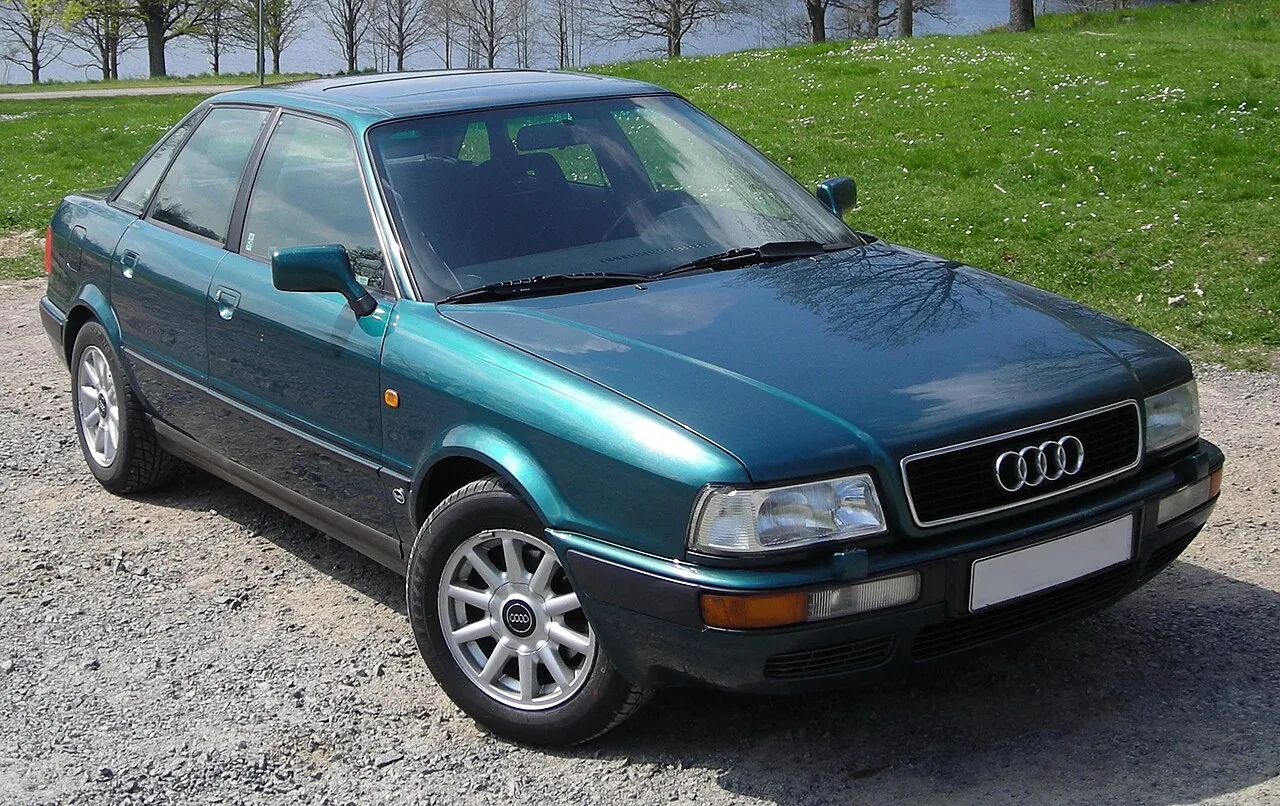
Pricing for the new electric hatchback spans from 38,600 euros to 52,000 euros depending on the selected power and battery configuration, with initial customer deliveries scheduled to begin in December 2026.
Under the skin, the A2 e-Tron utilizes Audi's latest generation of permanent magnet synchronous motors, designated APP350 and APP550, optimized for maximum electrical output. Power electronics incorporate silicon carbide semiconductors to significantly minimize conversion losses during acceleration and deceleration phases.
Charging performance is highlighted by a peak DC charging capacity of 183 kW for the largest battery option, allowing rapid turnaround times during long-distance journeys. The vehicle also supports practical V2L and V2H bidirectional charging functionalities, expanding its utility beyond basic daily commuting.
Drivers benefit from four distinct energy recovery levels, including a dedicated B-mode that enables single-pedal driving capabilities in urban environments. This sophisticated regenerative braking system works seamlessly to capture kinetic energy and feed it back into the battery pack.