
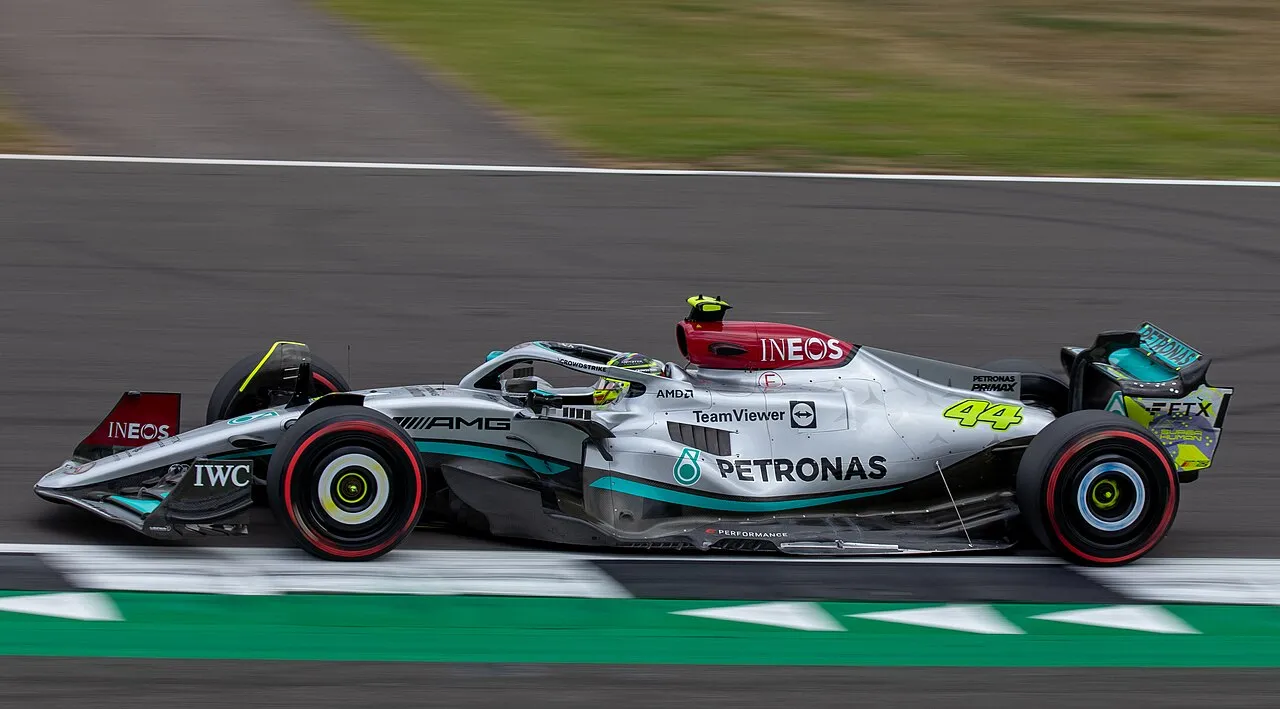
Mercedes W13 racing car was designed and constructed by the Mercedes-AMG Petronas Formula One Team to compete in the 2022 Formula One World Championship under brand new aerodynamic regulations. Driven by star racer Lewis Hamilton and newcomer George Russell, the challenger represented a radical departure from previous championship-winning machinery.
The vehicle's introduction to pre-season testing revealed profound aerodynamic challenges, most notably severe porpoising that compromised handling and balance across various circuits. Lewis Hamilton initially wrote off the team's prospects for the season opener as engineers scrambled to understand the unstable ground effect platform.
Related Stories

Get the Latest Sports News from Seymour's Bird
Receive the latest updates on football, basketball,and technology news directly in your inbox. It's free!
SubscribeDespite adopting an aggressive, nearly sidepod-less design philosophy, the car struggled significantly during the opening rounds of the championship. Podiums were scarce and heavily reliant on rival misfortunes until major upgrades were introduced at the Spanish Grand Prix to stabilize the bouncing behavior.
The silver-liveried machine ultimately yielded a single victory during the campaign, courtesy of George Russell at the Sao Paulo Grand Prix. Team principal Toto Wolff later vowed to display the difficult car at their headquarters to serve as a permanent reminder of engineering adversity.
Engineering Struggles and Porpoising Challenges
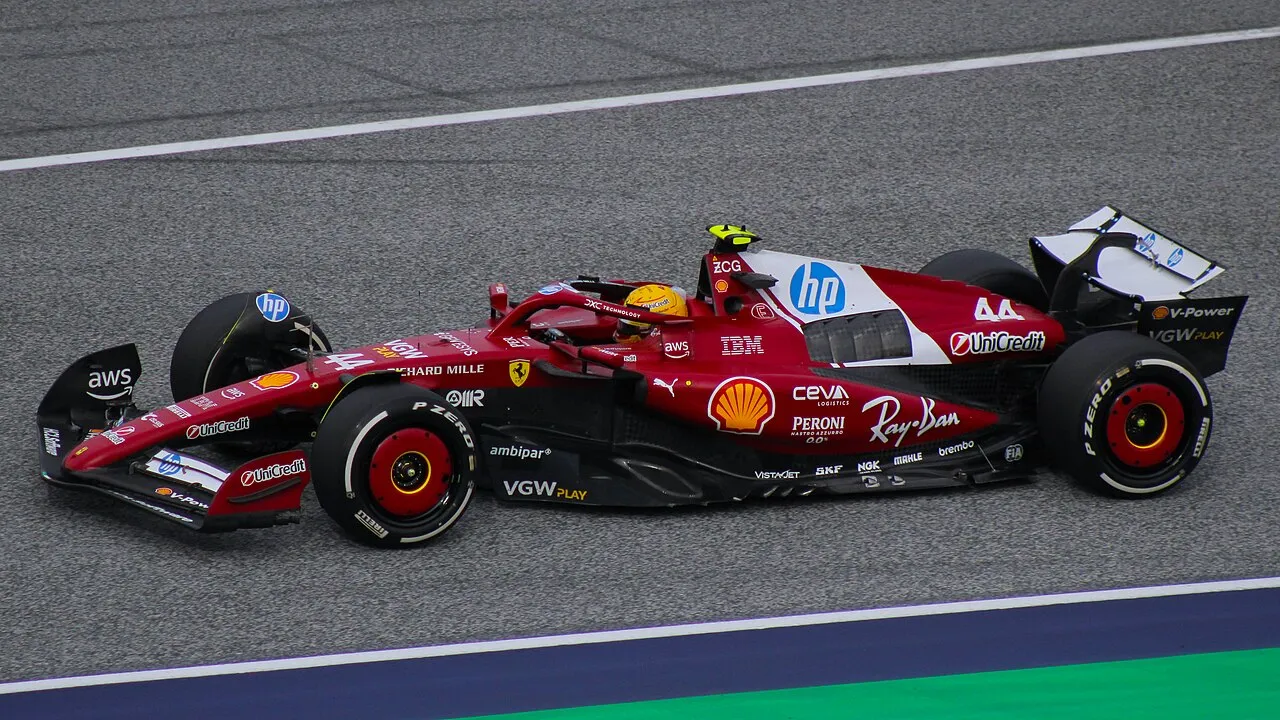
Technical teams faced unprecedented hurdles adapting to the mandatory return of ground effect aerodynamics, which severely impacted ride heights and suspension compliance. Wind tunnel data failed to accurately predict the violent aerodynamic bouncing experienced on real tracks during high-speed runs.
Engineers attempted multiple experimental floor configurations and setup compromises to mitigate the bouncing phenomenon without sacrificing core peak downforce. These adjustments frequently limited setup windows and compromised tire warm-up procedures during crucial qualifying sessions.
Power unit performance remained a rare bright spot as the upgraded M13 E Performance system extracted competitive horsepower figures from its hybrid architecture. However, reliability concerns occasionally surfaced, culminating in Hamilton's retirement during the season finale in Abu Dhabi.
Reflecting on the turbulent season, team leadership acknowledged valuable lessons learned from the flawed concept. The data gathered from resolving the car's anomalies provided vital direction for subsequent aerodynamic designs in later years.