
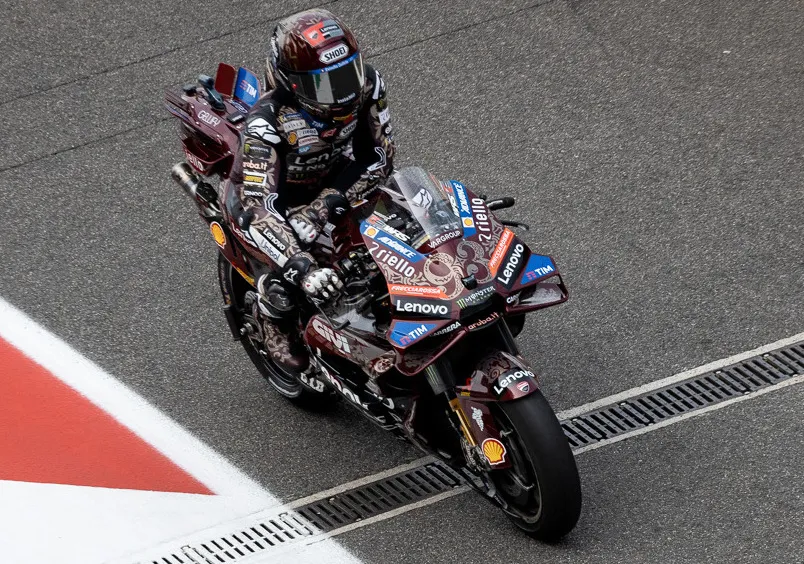
Grand Prix motorcycle racing stands as the premier and oldest established motorsport world championship, bringing together elite riders on purpose-built racing machines across international circuits sanctioned by the Fédération Internationale de Motocyclisme (FIM). Unlike production-based categories like the Superbike World Championship, these high-performance prototypes are unavailable for public purchase and cannot be legally ridden on public roads.
The sport's modern structure features three official classes—MotoGP, Moto2, and Moto3—all utilizing advanced four-stroke engines. While the premier class was originally known as the 500cc division, the shift to the four-stroke era in 2002 birthed the MotoGP brand, transforming the technological landscape and pushing motorcycle engineering to unprecedented limits.
Related Stories

Get the Latest Sports News from Seymour's Bird
Receive the latest updates on football, basketball,and technology news directly in your inbox. It's free!
SubscribeThroughout its storied history, legendary figures have left indelible marks on the championship. Giacomo Agostini remains the most successful rider across all classes with 15 titles, while modern icons like Valentino Rossi and Marc Marquez have dominated the premier division with seven titles each. The competitive landscape continues to evolve under the commercial rights management of Dorna Sports and Liberty Media, ensuring the sport remains at the pinnacle of global motorsport.
Weekend event formats have also adapted to modern audiences, highlighted by the introduction of sprint races on Saturdays that offer half the distance and points of the traditional Sunday Grand Prix. With complex technical regulations, strict fuel temperature rules, and dynamic weather protocols like flag-to-flag racing, Grand Prix motorcycle racing demands absolute precision from both machine and rider.
Technical Regulation Shifts and Modern Era
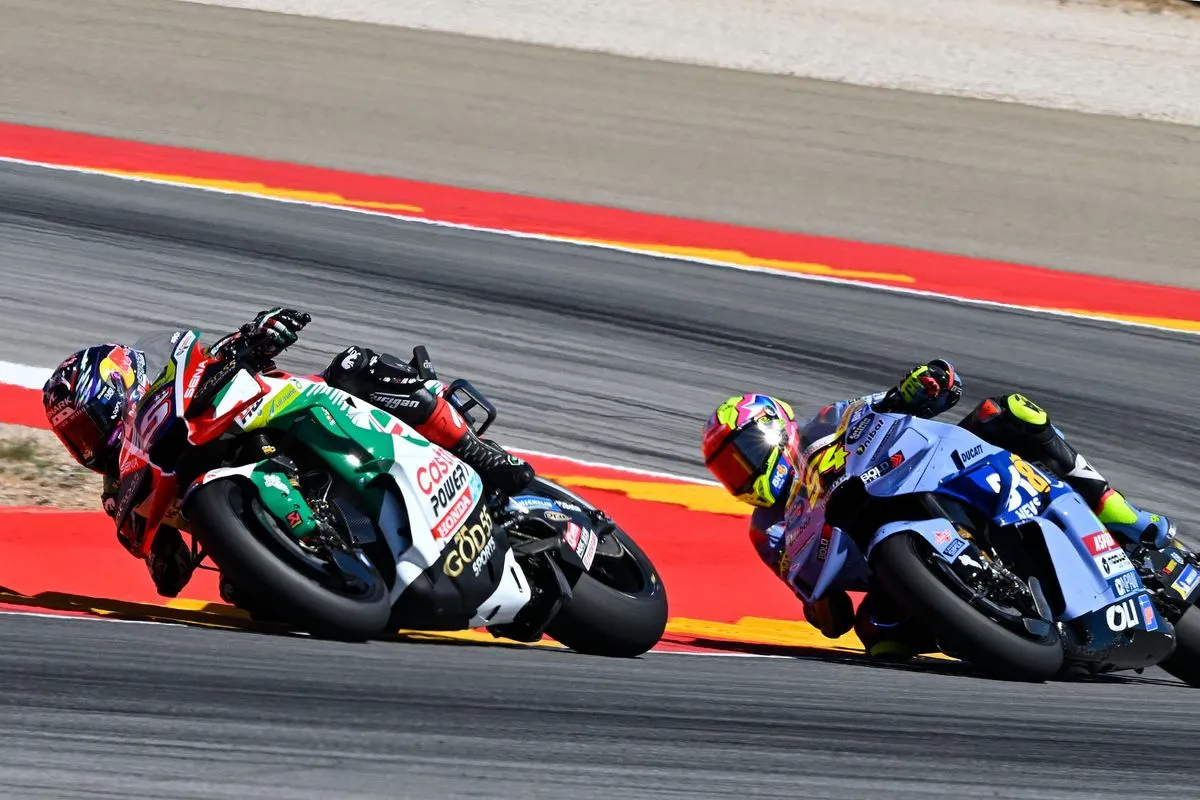
The technical evolution of Grand Prix racing has been defined by dramatic shifts in engine displacement and environmental regulations. From the dominance of two-stroke engines through the late twentieth century to the transition toward 990cc, 800cc, and eventually 1,000cc four-stroke architectures, the governing bodies have continuously adapted rules to balance competition and cost.
Cost-cutting measures implemented during economic downturns brought standardized engine control units and single-tire suppliers to the grid, leveling the playing field for factory and independent teams alike. Innovations such as traction control have altered riding dynamics, reducing dangerous highsides while maintaining the blistering speeds fans expect from the world championship.
Safety and weather adaptability remain core priorities for race officials. The implementation of the flag-to-flag rule allows riders to pit and switch to wet-weather machines equipped with steel brake rotors and softer suspension when rain suddenly dampens the circuit, ensuring thrilling competition regardless of environmental challenges.
As the championship progresses through its modern era under Liberty Media, the synergy between technological innovation and athletic prowess guarantees that Grand Prix motorcycle racing will retain its status as the absolute zenith of motorcycle road racing.