
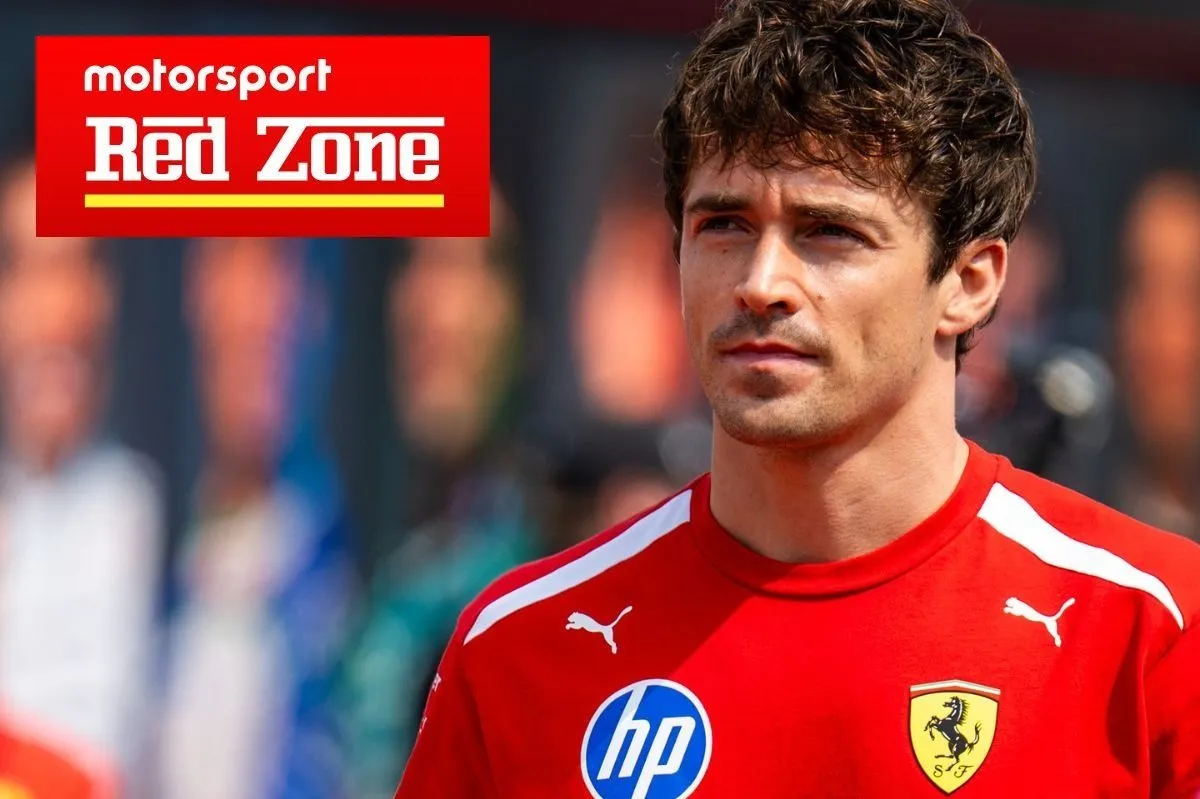
Charles Leclerc's recent warning regarding the Bahrain Grand Prix software chaos underscores growing unease among Formula 1 drivers over the complexities of the current 2026 power unit regulations. What began as a wet and treacherous formation lap quickly devolved into a baffling spectacle as software bugs caused multiple cars to lose power and leave drivers stranded with unresponsive throttles.
"Very tricky, very strange," Leclerc told reporters when describing the chaotic sequence from behind the wheel of his Ferrari. "At first I thought that safety car had switched off the light. I couldn't see the safety car. I was too far and there was too much spray so I thought the safety car had gone and Max was taking the gap to warm up the tyres, which I was like, "OK fine," and then they told me on the radio, "we think Max has a problem." I was like, OK."
Related Stories

Get the Latest Sports News from Seymour's Bird
Receive the latest updates on football, basketball,and technology news directly in your inbox. It's free!
SubscribeThe situation escalated rapidly as the Ferrari star attempted to accelerate, experiencing the exact same throttling failure that rendered several machines sluggish and nearly stationary on the track. FIA officials later confirmed that a technical bug triggered a loop when cars dropped to very low speeds, preventing power redeployment and forcing drivers like Lewis Hamilton to completely reboot their engines.
This lack of direct mechanical control has fueled long-standing anxieties among competitors who worry that unpredictable power surges or deficits could trigger severe accidents in low-visibility wet conditions. Leclerc emphasized that while this specific software glitch was an extreme manifestation, it accentuates broader concerns about how power is delivered out of corners under the new rulebook.
No Quick Fix Available for 2026 Regulations
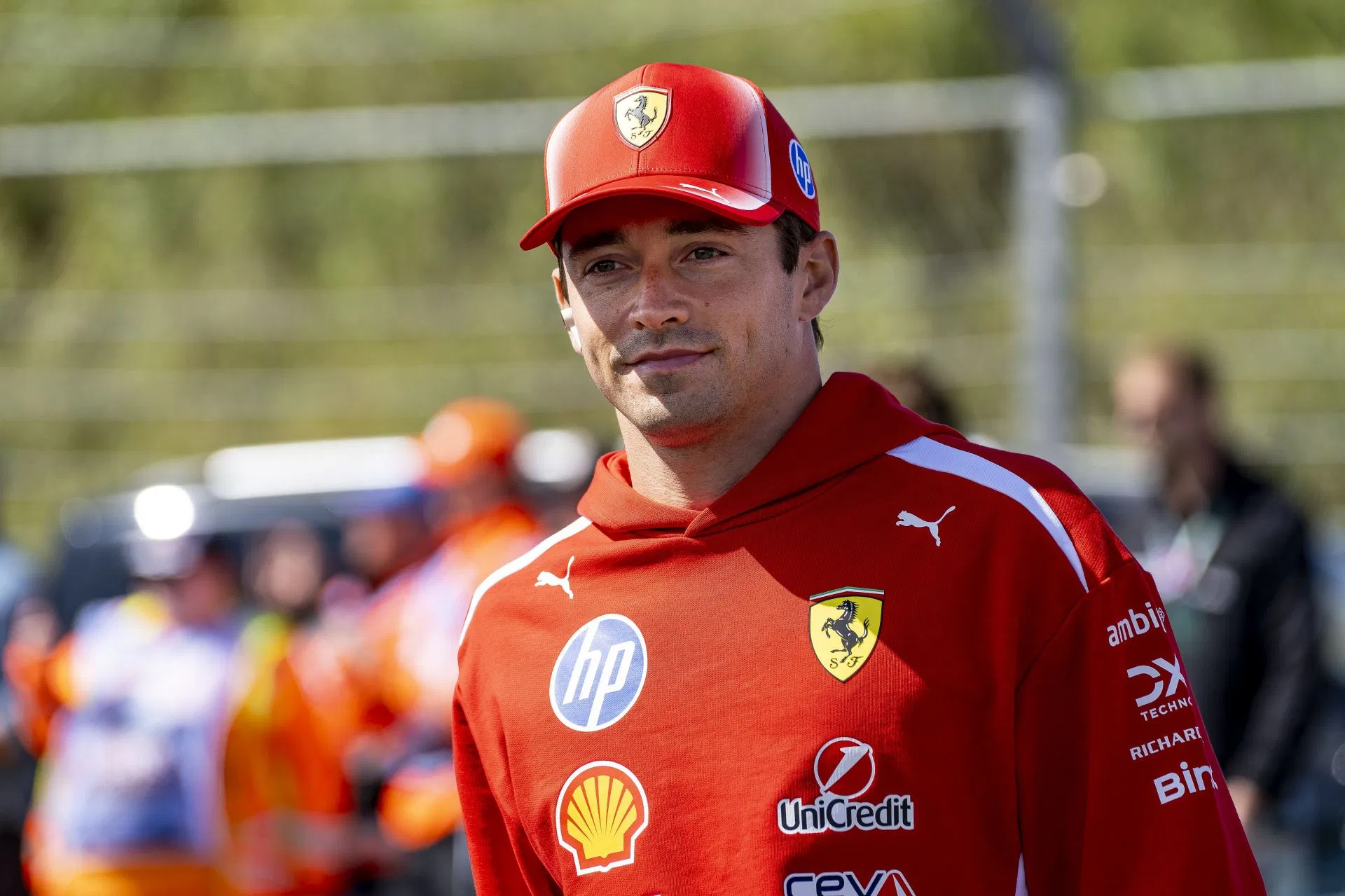
Addressing whether this chaotic weekend served as the ultimate indictment of the current engine formula, Leclerc maintained a measured approach while acknowledging the severity of the flaws. "I don't want to be so extreme with my words, but surely it's not good enough. I mean, we've been raising those issues, and I hope that we fix them," he stated.
Unfortunately for the grid, resolving these fundamental architecture problems will require considerable time because they stem from strategic decisions made years in advance. The FIA is fully aware of the driver community's apprehension, and minor balance adjustments favoring the internal combustion engine are slated for upcoming seasons.
Safety remains the paramount priority for competitors navigating these sophisticated hybrid powertrains, especially when visibility is heavily compromised by spray. Drivers continue to press governing bodies for long-term technical solutions to ensure they retain absolute control over their race cars in critical moments.
As teams analyze the data from Bahrain and prepare for future rounds, the paddock remains united in pushing for regulatory refinements that balance technological innovation with driver confidence and on-track safety.