
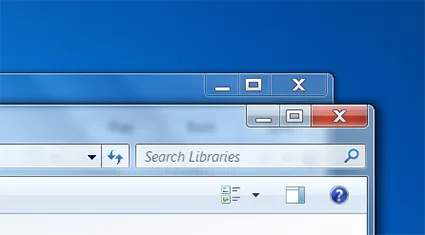
Windows Aero revolutionized Microsoft operating systems by introducing a sleek design language focused on glass transparency, fluid animations, and advanced hardware acceleration. First launched with Windows Vista in 2006 and later refined in Windows 7, Aero marked a monumental shift from the utilitarian Luna interface of Windows XP. It utilized the Desktop Window Manager to render window frames with translucent effects, giving users a modern, immersive desktop experience that heavily influenced internet aesthetics for years to come.
"The visual style is gorgeous and one of the nicest things about running Windows Vista," noted tech analysts upon its initial release, praising its deep customizability and elegant window switching mechanisms like Flip 3D. Users could easily customize their desktop themes, adjusting glass color intensity and opacity through the updated Control Panel. Furthermore, advanced features like live taskbar thumbnails and enhanced Alt-Tab menus made multitasking more intuitive and visually appealing than ever before.
Related Stories

Get the Latest Sports News from Seymour's Bird
Receive the latest updates on football, basketball,and technology news directly in your inbox. It's free!
SubscribeUnderneath its glossy exterior, Windows Aero required dedicated hardware support to function properly. Utilizing pixel shader technology and WDDM-compatible graphics drivers, the interface offloaded graphical rendering tasks from the CPU to the GPU. While this hardware requirement drew initial criticism from users running resource-constrained machines, it ultimately paved the way for modern, hardware-accelerated user interfaces across the entire personal computing industry.
Although Microsoft eventually shifted toward flat design paradigms starting with Windows 8, the legacy of Windows Aero endures strongly today. Retroactively celebrated through digital art movements like Frutiger Aero, the iconic transparent glass aesthetic continues to evoke nostalgia for an era when software design embraced organic textures, vibrant colors, and futuristic optimism. Its enduring footprint remains a defining chapter in the history of personal computing.
The Evolution and Technical Foundation of Aero
Beyond its striking visual presentation, Windows Aero established rigorous design and development guidelines that overhauled how applications communicated with users. Microsoft introduced the Segoe UI typeface as the default font, increasing readability with optimized character sets. Additionally, system notifications were completely redesigned to fade in and out gracefully, replacing intrusive pop-up balloons that frequently disrupted full-screen applications and gaming sessions.
The interface guidelines also fundamentally changed the tone and phrasing of error messages and system instructions. Developers were encouraged to adopt concise, objective, and positive phrasing written in the active voice, prioritizing clarity and user empowerment. These comprehensive guidelines ensured a consistent user experience across the entire operating system, elevating software usability standards.
Technical refinements continued into Windows 7, introducing touch-friendly enhancements and window management shortcuts such as snapping windows to screen edges to maximize or split workspace effortlessly. Users could also instantly hide open windows by hovering over the taskbar corner or shake a single window to minimize all background applications instantly.
Ultimately, Windows Aero proved that aesthetics and functionality could successfully merge to redefine operating system standards. By setting a high bar for graphical fidelity and user interaction, Microsoft created a timeless design language that continues to captivate technology enthusiasts and inspire digital design trends decades later.