
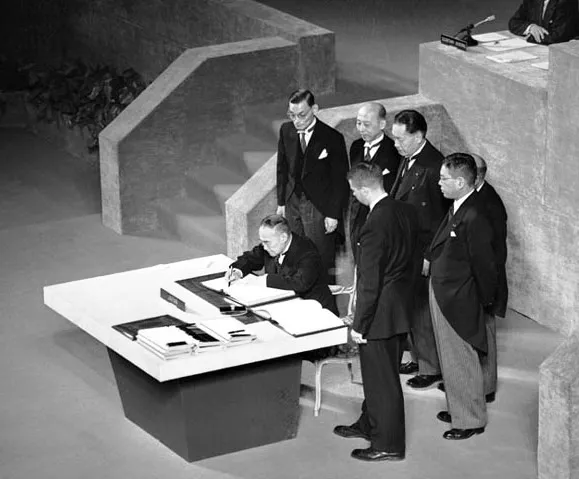
The Treaty of San Francisco officially re-established peaceful relations between Japan and the Allied powers on September 8, 1951, ending the legal state of war and military occupation. Signed by 49 nations at the War Memorial Opera House in San Francisco, the landmark agreement dismantled Japan's role as an imperial power while returning full sovereignty to the nation.
The treaty served as the cornerstone for the San Francisco System, defining Japan's post-war alliance with the United States and charting its course in international diplomacy. By relying heavily on the United Nations Charter and the Universal Declaration of Human Rights, the signatories sought to anchor Japan's resurgence in democratic principles and accountability.
Related Stories

Get the Latest Sports News from Seymour's Bird
Receive the latest updates on football, basketball,and technology news directly in your inbox. It's free!
SubscribeDespite its broad backing, the conference faced significant diplomatic exclusions and boycotts. Neither the People's Republic of China nor the Republic of China was invited due to sharp disagreements among Western powers regarding Chinese representation, while the Soviet Union vehemently opposed the draft treaty, arguing it favored American military interests.
A memorable highlight of the conference was the impassoned plea by Ceylon's Finance Minister J. R. Jayewardene, who successfully urged the international community to embrace a magnanimous peace over punitive reparations. His philosophy that hatred ceases through love helped secure a generous treaty that allowed a defeated nation to re-enter the global fold with dignity.
Unresolved Legacy and Territorial Shifts
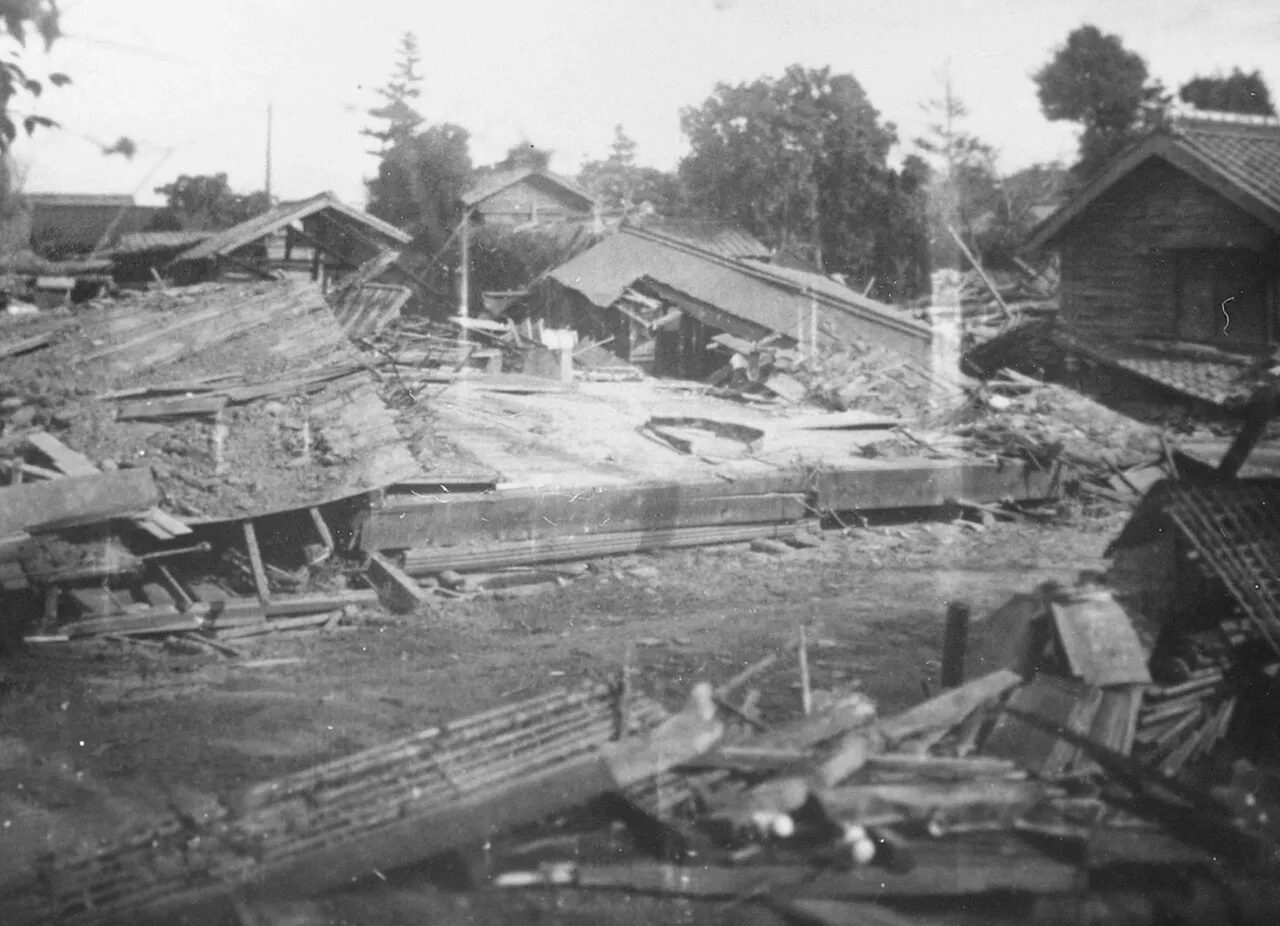
Beyond ending the war, the treaty mandated that Japan formally renounce its territorial claims to Korea, Formosa, the Pescadores, the Kuril Islands, and other overseas territories. Article 3 placed several island groups, including the Ryukyus and Bonin Islands, under potential United States administration before eventual reversion to Japanese control decades later.
The ambiguous wording regarding the ultimate sovereignty of Taiwan and surrounding islands created lingering geopolitical disputes that persist today. Proponents of Taiwan independence frequently cite the San Francisco Peace Treaty to argue that Japan merely renounced its rights without explicitly transferring sovereignty to the Republic of China.
Several participating nations refused to sign the final document, with Czechoslovakia, Poland, and the Soviet Union walking away in protest over territorial provisions and security alignments. Meanwhile, countries like India opted out entirely, choosing to pursue separate bilateral treaties to ensure Japan's complete national independence and equality.
Decades after its signing, the enduring framework of the 1951 conference continues to influence territorial debates and diplomatic ties across the Asia-Pacific region. What began as an effort to close a dark chapter of global conflict ultimately laid the complex groundwork for modern Asian geopolitics.