
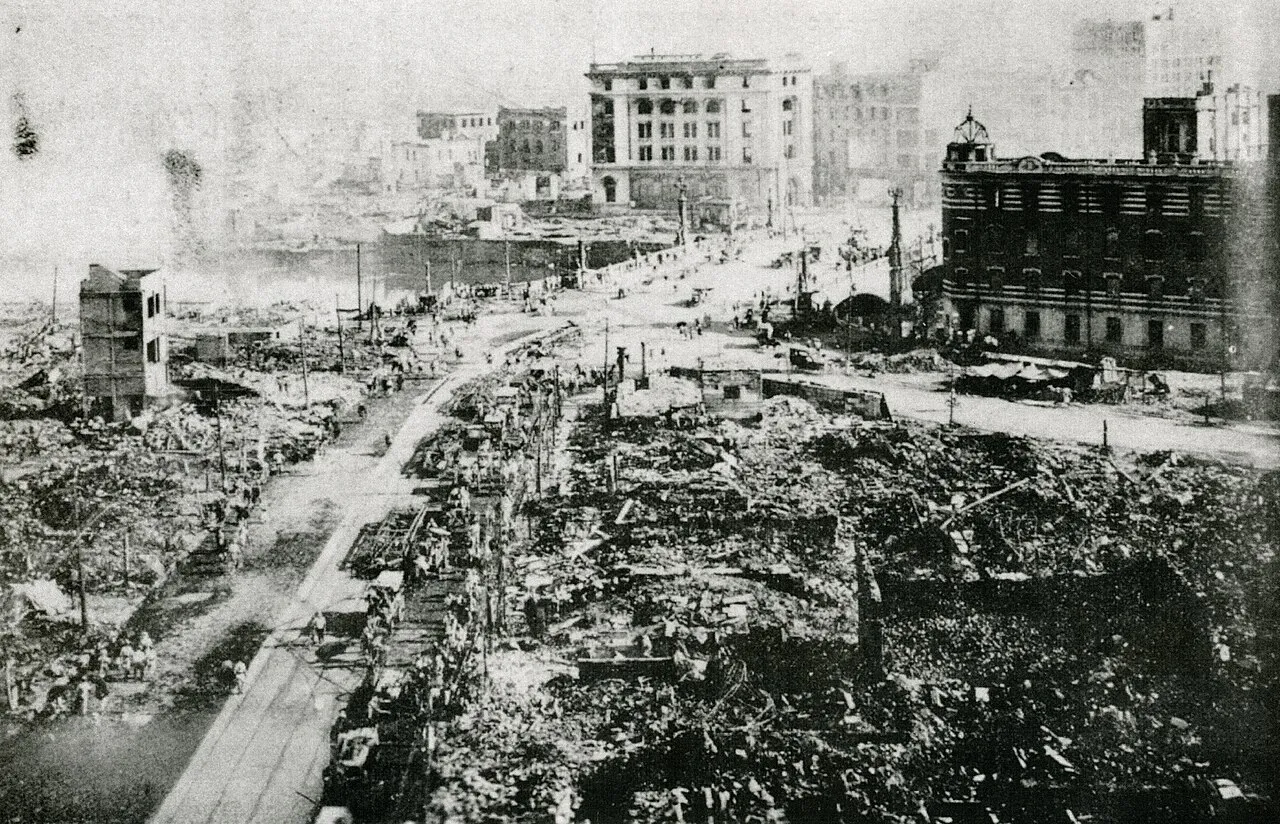
The Great Kanto Earthquake struck the main Japanese island of Honshu on September 1, 1923, unleashing a complex series of seismic shocks that devastated the Kanto plain. Registering an approximate magnitude of 8.0, the disaster leveled Tokyo, the port city of Yokohama, and surrounding prefectures, leaving millions displaced and sparking catastrophic urban fires.
"Modern research indicates the event consisted of three consecutive shocks in the span of several minutes, beginning with a megathrust event in Kanagawa Prefecture," historical archives note, highlighting the unprecedented nature of the seismic activity that shook the region.
Related Stories

Get the Latest Sports News from Seymour's Bird
Receive the latest updates on football, basketball,and technology news directly in your inbox. It's free!
SubscribeFires fueled by strong winds from a nearby typhoon swept through densely populated areas, accounting for the vast majority of the destruction and casualties. The combined catastrophe destroyed over half of Tokyo and nearly all of Yokohama, leaving behind a staggering humanitarian crisis.
Today, September 1 is commemorated annually in Japan as Disaster Prevention Day, serving as a solemn reminder of the historic tragedy and a catalyst for modern earthquake preparedness and resilient urban infrastructure development.
Reconstruction Efforts and Modern Legacy
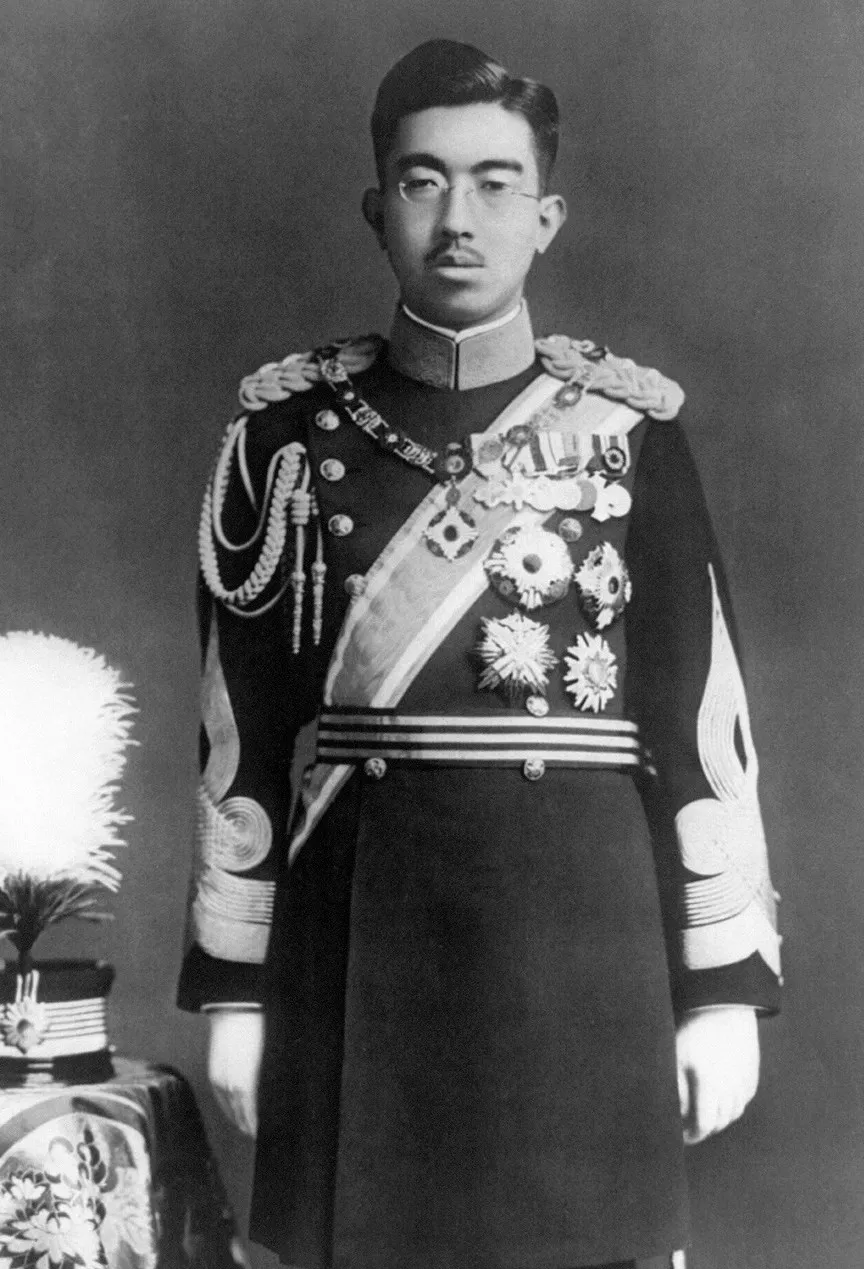
In the wake of the devastation, the Japanese government declared martial law and initiated extensive relief operations to manage the immediate crisis and restore public order. The scale of the disaster posed immense logistical challenges for authorities struggling to cope with widespread displacement and infrastructural collapse.
Ambitious plans for the reconstruction of Tokyo emerged under the leadership of Home Minister Goto Shinpei, aiming to transform the capital into a modern, resilient metropolis. However, these grand visions faced significant financial constraints, political contestation, and local resistance.
The economic toll further complicated recovery efforts, exacerbating an existing downturn and contributing to a banking crisis later in the decade. Despite these hurdles, the rebuilding process significantly modernized parts of the region's infrastructure and transportation networks.
The legacy of the 1923 disaster endures in Japan's approach to urban planning, architectural safety standards, and public awareness. By embedding rigorous disaster prevention measures into daily life, the nation honors the lessons learned from one of its darkest historical chapters.