
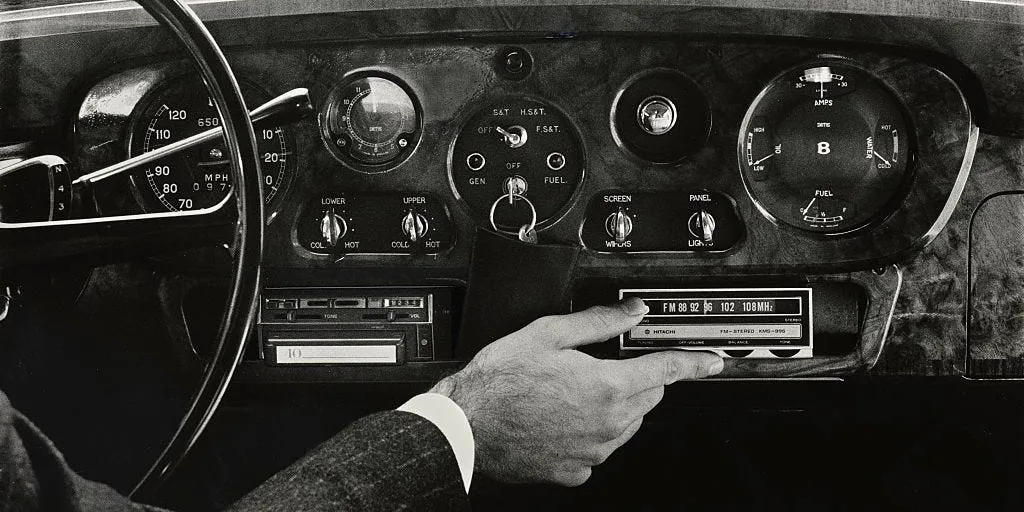
The AM Radio for Every Vehicle Act officially passed the U.S. House of Representatives this week, bringing lawmakers one step closer to mandating AM functionality in all new cars sold nationwide. If enacted, manufacturers that phased out AM receivers will need to reintroduce the technology.
Proponents of the legislation emphasize that more than 4,300 active AM stations serve as a critical lifeline during rural emergencies and natural disasters when cellular networks fail. Nielsen data indicates that over 80 million Americans tune into AM radio monthly.
Related Stories

Get the Latest Sports News from Seymour's Bird
Receive the latest updates on football, basketball,and technology news directly in your inbox. It's free!
SubscribeAutomakers including BMW, Tesla, Mazda, and Volkswagen have dropped AM capability in recent electric models because electric motor frequencies tend to jam AM signals. Complying with the potential law will require engineering workarounds for these powertrain interference issues.
The Congressional Budget Office estimates that the bill would impact between 2 and 2.5 million vehicles annually with minor equipment costs. The bipartisan legislation now heads to the U.S. Senate and the president's desk for final approval.
Automakers Face Engineering Hurdles Over EV Interference
Electric vehicle manufacturers have long cited technical interference hurdles as a primary reason for dropping standard AM radio hardware. Frequencies emitted from electric motors easily disrupt AM signals, requiring costly shielding solutions.
While traditional gas-powered cars incorporate AM receivers inexpensively, redesigning electric vehicle architecture to filter out electromagnetic noise presents a persistent engineering challenge for brands like Tesla and BMW.
Despite these manufacturing hurdles, bipartisan support in Congress remains strong as lawmakers prioritize public safety and emergency broadcast accessibility over automakers" design preferences.
The legislation now awaits deliberation in the U.S. Senate before it can be signed into law by the president, potentially reshaping standard entertainment dashboards across the entire automotive industry.