
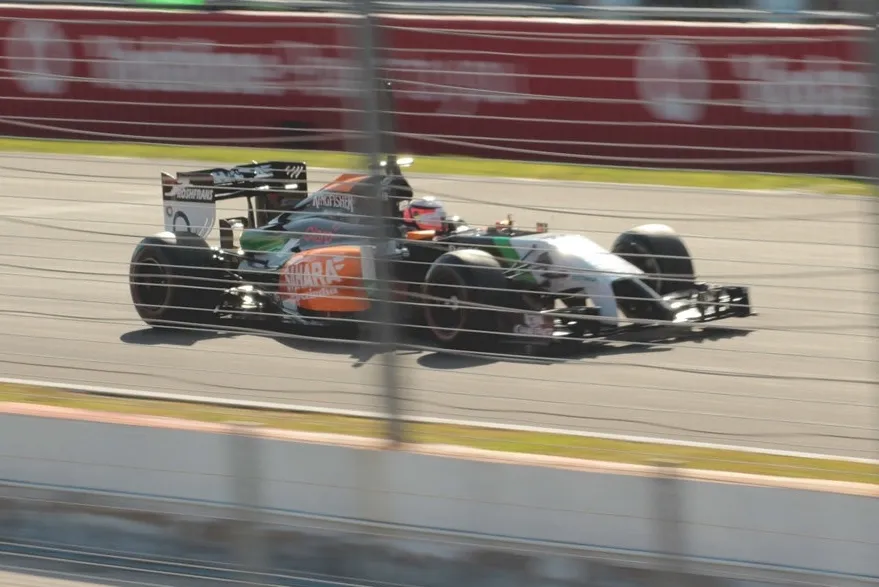
The Force India Formula One team carved out a reputation as one of the most resilient and competitive midfield contenders in modern motorsport history, operating out of its legendary base in Silverstone, United Kingdom. Formed in October 2007 when a consortium led by Indian businessman Vijay Mallya and Dutch businessman Michiel Mol acquired the struggling Spyker F1 team for eighty-eight million euros, the outfit embarked on a journey that would capture the hearts of racing enthusiasts worldwide.
Despite enduring an initial stretch of twenty-nine races without scoring points, the team achieved its watershed moment at the 2009 Belgian Grand Prix when veteran driver Giancarlo Fisichella brilliantly secured second place and the squad's historic first pole position. This incredible milestone signaled that the Silverstone-based constructor was no longer just making up the numbers, but was ready to challenge established giants on pure pace and tactical execution.
Related Stories

Get the Latest Sports News from Seymour's Bird
Receive the latest updates on football, basketball,and technology news directly in your inbox. It's free!
SubscribeAs the years progressed, the team continually punched above its weight class through strategic technical partnerships with Mercedes-Benz and McLaren, unlocking supreme power unit reliability and aerodynamic efficiency. Brilliant drivers such as Adrian Sutil, Vitantonio Liuzzi, Paul di Resta, Nico Hulkenberg, and Sergio Perez consistently extracted maximum performance from cars like the VJM02 and its successors, delivering stunning podium finishes in marquee events across Monaco, Bahrain, Russia, and Azerbaijan.
However, financial pressures and external legal challenges surrounding leadership eventually caught up with the organization during the 2018 season, leading the High Court in London to place the team into administration ahead of the Hungarian Grand Prix. This pivotal moment opened the door for a consortium led by Lawrence Stroll to rescue the squad's assets, ensuring that the brilliant engineering factory at Silverstone survived to race under a new banner.
Engineering Excellence Against the Odds in Silverstone
Looking back, the legacy of Force India remains a testament to ingenuity, perseverance, and competitive spirit under intense financial strain. Long after its transition into subsequent iterations, the squad's ability to consistently out-develop wealthier rivals stands as a golden standard for efficiency and racing passion in the pinnacle of motorsport.
Behind the headline-grabbing performances and dramatic podium celebrations lay a deeply dedicated technical workforce operating out of the historic Silverstone factory. Engineers and aerodynamicists continually optimized limited resources to maximize downforce and mechanical grip, often rivaling factory operations with vastly superior budgets.
The technical transition to Mercedes-Benz power units ahead of the 2009 season proved to be a masterstroke, providing the team with dependable horsepower and cutting-edge drivetrain components that elevated their race-day execution to new heights.
Key personnel changes over the years brought fresh perspectives, yet the core identity of the Silverstone squad remained rooted in defiance, resilience, and a relentless desire to break into the elite upper echelons of the Constructors" Championship standings.