
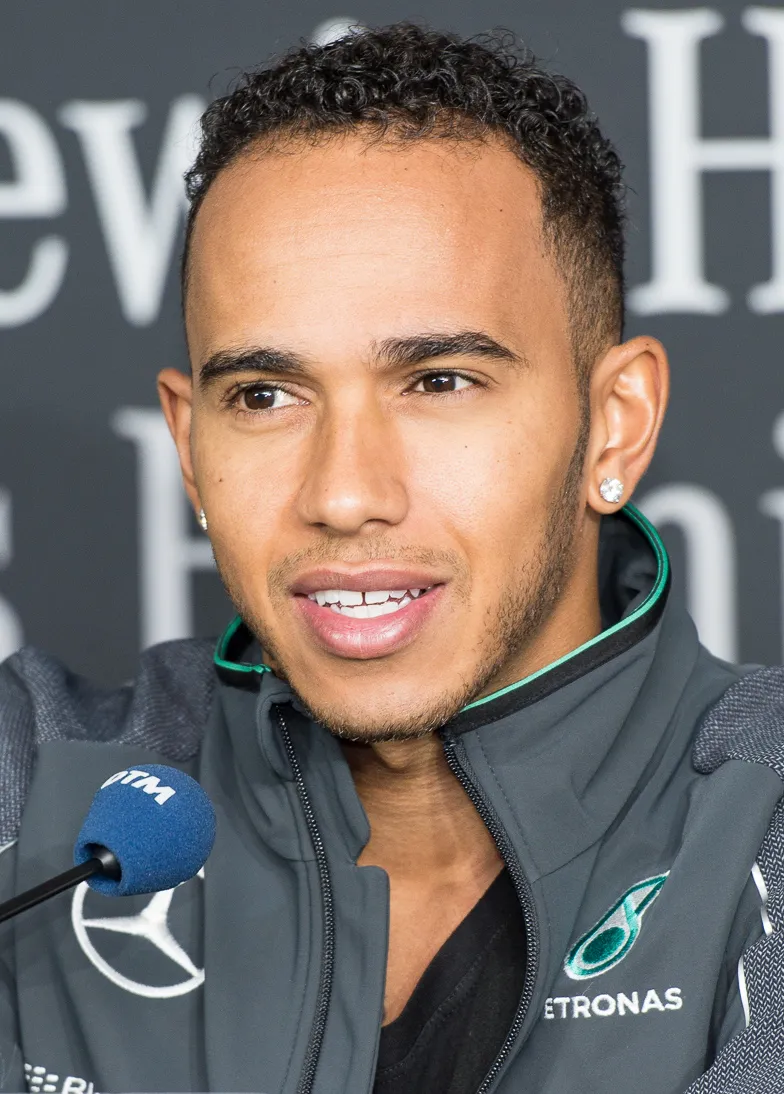
The 2014 FIA Formula One World Championship reshaped the pinnacle of motorsport with a groundbreaking engine regulation overhaul, paving the way for the Silver Arrows to establish absolute dominance. Gone were the roaring 2.4-litre V8 engines, replaced instead by advanced 1.6-litre turbocharged V6 power units incorporating cutting-edge energy recovery systems. Amidst calendar shifts and thrilling grand prix weekends around the globe, the season ultimately became a masterclass in engineering and execution by the Mercedes works team.
Mercedes driver Lewis Hamilton delivered a sensational campaign to clinch his second World Drivers Championship, his first wearing the Silver Arrows colors. Hamilton amassed an impressive 384 points and 11 victories, edging out fierce teammate Nico Rosberg in a season-long title duel that kept fans captivated from Melbourne to Abu Dhabi. "Hamilton's resilience and pace proved unstoppable during crucial moments of the championship battle," motorsport analysts noted as the Briton successfully ended Red Bull Racing's four-year reign.
Related Stories

Get the Latest Sports News from Seymour's Bird
Receive the latest updates on football, basketball,and technology news directly in your inbox. It's free!
SubscribeWhile Hamilton claimed the ultimate individual prize, teammate Nico Rosberg played an instrumental role in securing Mercedes" historic maiden World Constructors Championship, finishing runner-up in the standings with 317 points and 5 victories. Rosberg also etched his name in the history books by claiming the inaugural FIA Pole Trophy after securing 11 pole positions over the course of the grueling nineteen-race calendar. The German driver pushed his teammate to the absolute limit, ensuring the championship fight remained alive until the final checkered flag.
Further down the grid, the changing technological landscape produced mixed fortunes for past champions and rising stars alike. Infiniti Red Bull Racing finished second overall, powered by newcomer Daniel Ricciardo who celebrated his breakthrough maiden grand prix victories and a stellar third place in the drivers standings. Conversely, defending champion Sebastian Vettel endured a challenging winless year, highlighting the dramatic shift in competitive hierarchy brought on by the sport's new era.
New Era Regulations Transform Grand Prix Racing
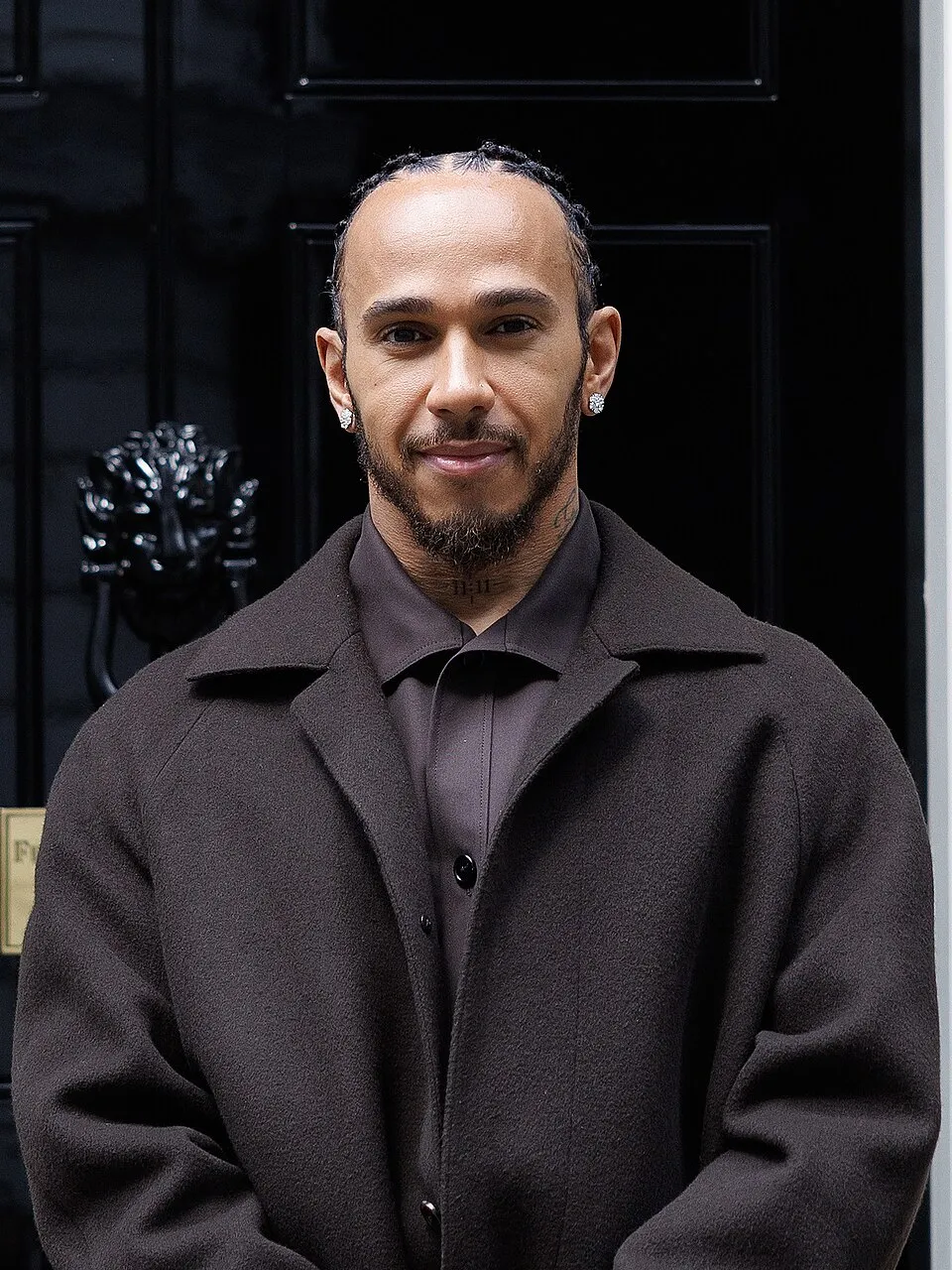
The introduction of turbocharged hybrid power units fundamentally altered race strategies, fuel management, and reliability across the entire Formula One paddock. Teams faced an uphill battle mastering the complex energy recovery systems during winter testing, leading to dramatic shake-ups in early season form. Williams enjoyed a remarkable resurgence to finish third in the constructors standings, thanks to consistent podium finishes from Valtteri Bottas and Felipe Massa.
Ferrari experienced a difficult transitional campaign, struggling to adapt to the new power units while managing a driver lineup featuring Fernando Alonso and Kimi Raikkonen. Despite flashes of brilliance from Alonso, the Scuderia's famous consecutive points-scoring streak came to an end in Japan, underscoring the deep technical hurdles teams faced. Ferrari ultimately settled for fourth place in the championship standings as development races intensified behind dominant Mercedes.
Beyond the engineering triumphs and on-track duels, the 2014 season carried a profound somber note for the global racing community. The sport suffered its first fatal accident weekend since 1994 following Jules Bianchi's tragic crash at a rain-soaked Japanese Grand Prix at Suzuka. The heartbreaking incident prompted immediate safety reviews and permanent changes regarding wet-weather racing protocols within the FIA.
As the curtain fell on the dramatic 2014 campaign in Abu Dhabi, the championship left an indelible mark on motorsport history. The successful integration of hybrid technology proved that high performance and efficiency could coexist, setting a new technological benchmark for the future of Formula One while crowning worthy champions in a transformative era.