
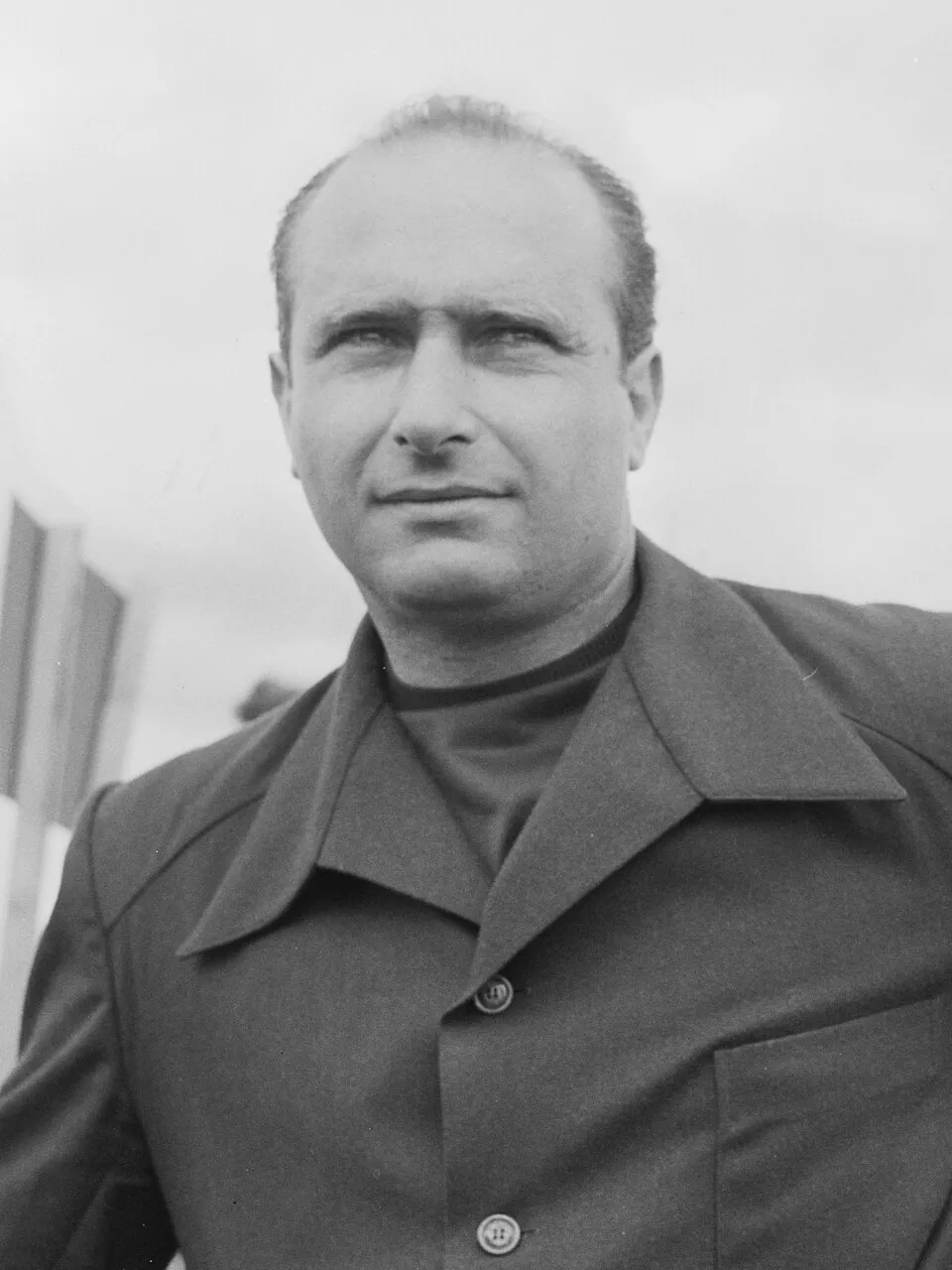
The 1957 Formula One season delivered an extraordinary chapter in international motorsport, culminating in Juan Manuel Fangio capturing his fourth consecutive drivers" crown. Driving for Maserati after switching teams ahead of the campaign, the legendary Argentine driver asserted total mastery over the grand prix calendar to secure his historic fifth world title.
Fangio's championship run was anchored by stellar performances, most notably his legendary drive at the Nürburgring where he overcame a botched pit stop to overtake rivals Mike Hawthorn and Peter Collins on the penultimate lap. While British star Stirling Moss emerged as his primary challenger in a rapidly improving Vanwall machine, Fangio's consistent brilliance kept him at the summit of the sport.
Related Stories

Get the Latest Sports News from Seymour's Bird
Receive the latest updates on football, basketball,and technology news directly in your inbox. It's free!
SubscribeThe season also bore witness to tragic moments across motorsport, as top-tier drivers lost their lives in category events outside of the Formula One world championship framework. Competitors like Eugenio Castellotti and Alfonso de Portago perished during a turbulent year that heavily impacted Scuderia Ferrari's racing operations.
Despite external challenges and calendar disruptions caused by geopolitical tensions in Europe, the championship pressed forward to deliver landmark milestones. Vanwall's breakthrough triumph at Aintree marked the first occasion a British constructor won a World Drivers" Championship race, reshaping the competitive landscape for decades to come.
Maserati and Fangio Conquer the 1957 Campaign
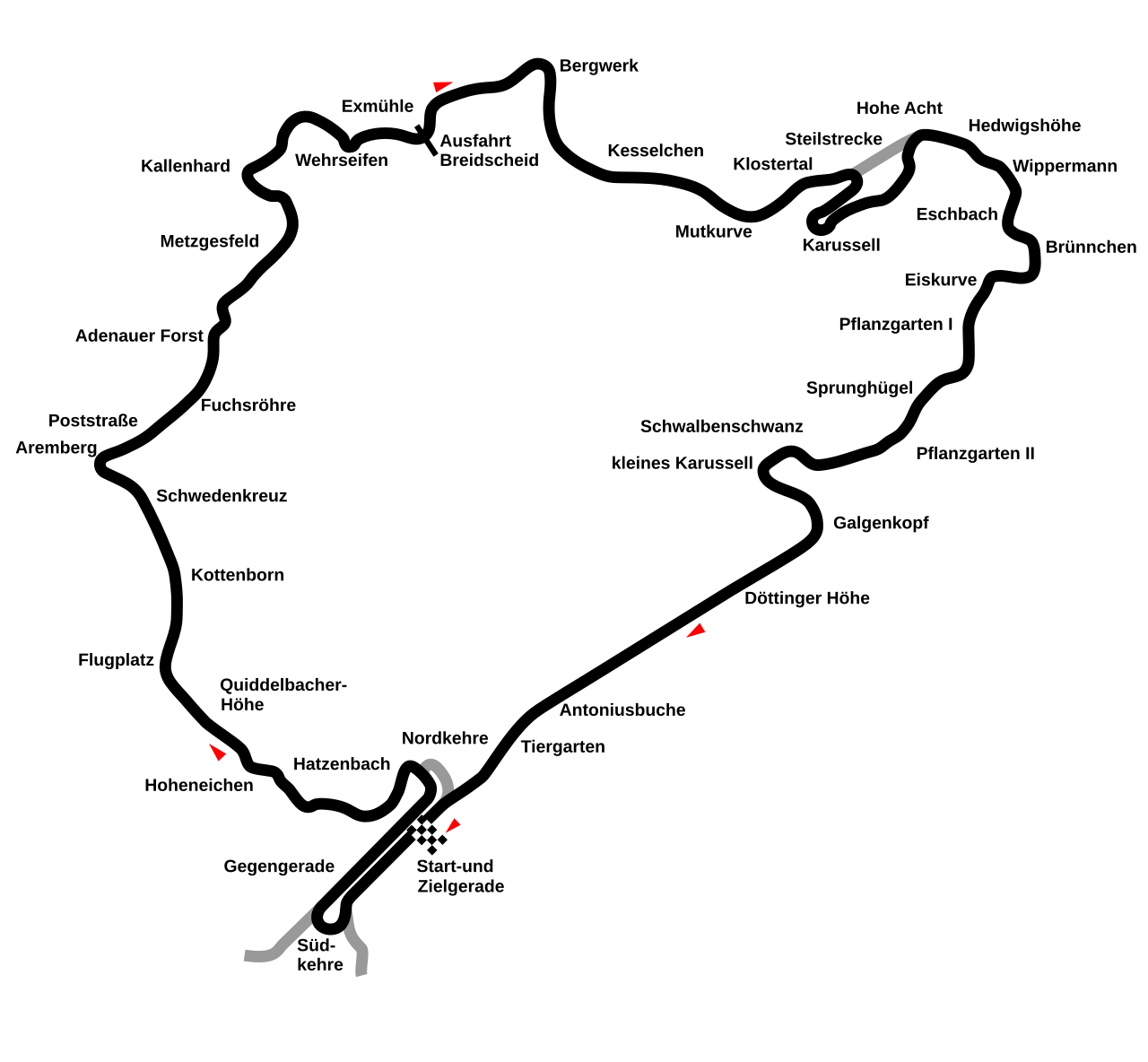
Maserati provided Fangio with the machinery needed to dominate the grid from the opening round in Buenos Aires right through to the European rounds. The team executed tactical masterclasses and capitalized on the mechanical vulnerabilities of their principal rivals at Ferrari.
Stirling Moss pushed the limits of his Vanwall racer, securing crucial victories that kept the championship battle intense during the latter half of the season. Despite Moss's best efforts, he was forced to settle for the runner-up spot in the standings for the third consecutive year.
The cancellation of several mid-season European rounds due to external fuel and monetary disputes compressed the calendar, heightening the pressure on every remaining grand prix. Teams had to adapt quickly to evolving circuit layouts and fierce competition from privateer entries.
As the season drew to a close, announcements of upcoming manufacturer withdrawals and rule changes signaled the end of a golden era for early Formula One racing.