
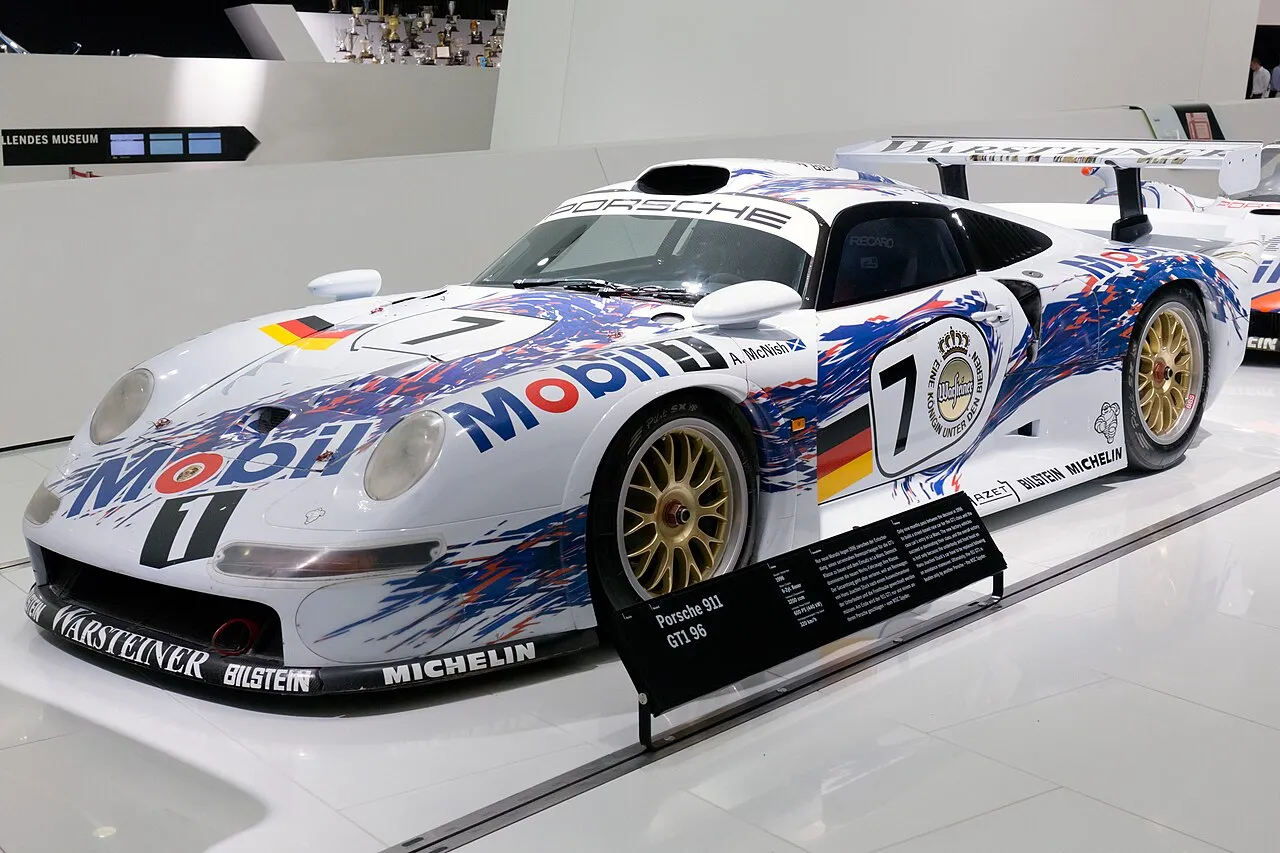
The Porsche 911 GT1 stands as one of the most radical and successful machines ever engineered by Porsche AG to conquer the high-stakes world of international sportscar racing. Developed specifically to dominate the GT1 class, the project required the German manufacturer to build a limited-production street-legal version for homologation purposes, creating the legendary 911 GT1 Straßenversion.
Although it wore the iconic 911 moniker, the race car shared almost nothing mechanically with the standard production sports cars of its era. Its front chassis drew inspiration from the 993-generation 911, while the rear subframe and water-cooled, twin-turbocharged flat-six engine were derived directly from the legendary 962C Group C prototype, generating an impressive power output of about 600 horsepower.
Related Stories

Get the Latest Sports News from Seymour's Bird
Receive the latest updates on football, basketball,and technology news directly in your inbox. It's free!
SubscribeThe vehicle immediately proved its competitive pedigree by securing victories in major endurance and GT series events upon its debut. Following a successful run in early competitions, Porsche continuously evolved the platform, introducing the GT1 Evo for the 1997 season and later the radically redesigned 911 GT1-98 for endurance racing.
Despite facing intense competition from manufacturers like Mercedes-Benz and Toyota, reliability paved the way for glory at the 1998 24 Hours of Le Mans. The 911 GT1-98 captured a historic first and second place overall finish, cementing Porsche's legacy with its record-breaking 16th overall victory at the legendary endurance race.
Engineering the Ultimate Road-Legal Racer
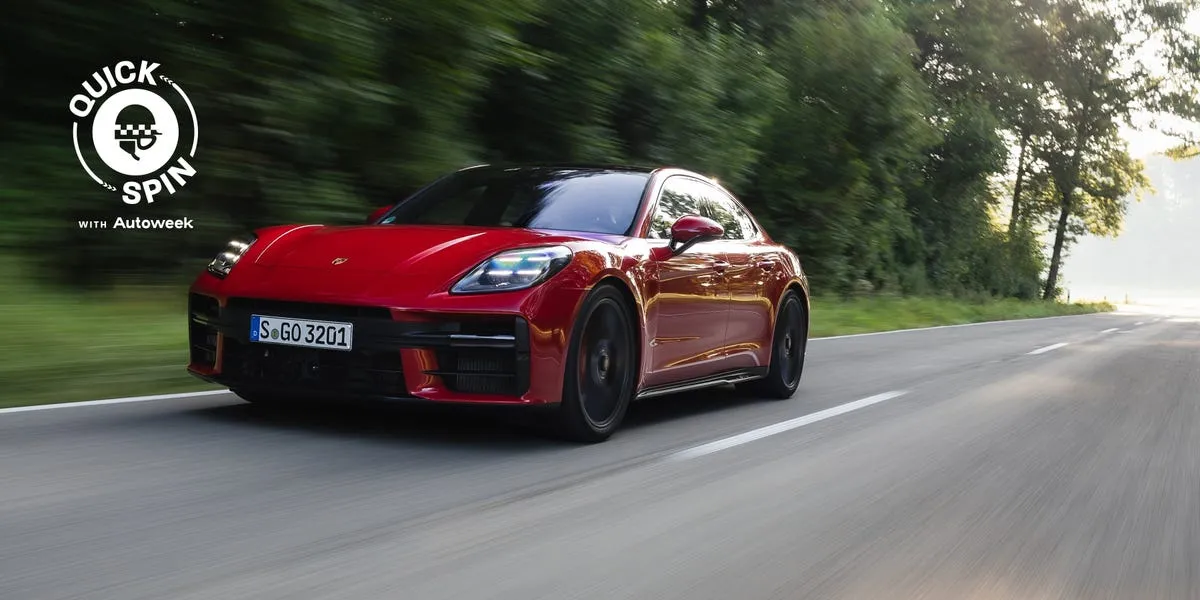
Meeting strict regulations for the GT1 category required Porsche to produce a total of 25 cars for road use, leading to the creation of the exclusive Straßenversion series. The initial prototypes underwent rigorous compliance testing before production variants were assembled in Stuttgart, Germany.
The road-legal variants required slight engine de-tuning to comply with strict European emissions laws, yet the modified powerplant still delivered staggering performance. Generating around 536 horsepower, the road car could accelerate from a standstill to 100 kilometers per hour in just 3.9 seconds.
Aesthetics and engineering were carefully balanced during development, with production models featuring distinctive headlamp styling that previewed future generations of the company's flagship sports cars. Most units were finished in classic hues like Arctic Silver or Fern White, though a handful received rare custom paint options.
Today, the limited run of street-legal GT1 models remains among the most coveted collector cars in automotive history. Representing a bridge between uncompromising track engineering and road-legal utility, the vehicle continues to symbolize Porsche's golden era of endurance racing dominance.