
Red Bull Ring stands as a premier 4.326-kilometer motorsport race track located in the scenic mountains of Spielberg, Styria, Austria. Originally founded as the Österreichring, the circuit has undergone massive transformations over decades, evolving from a perilous high-speed arena into a state-of-the-art facility hosting world-class racing events.
The circuit originally opened in 1969 to replace the bumpy Zeltweg Airfield circuit, hosting the Formula One Austrian Grand Prix for eighteen consecutive years from 1970 to 1987. Renowned for its terrifyingly fast sweeping corners and severe elevation changes, the original layout pushed turbo-era Formula One machines to extreme speeds before safety concerns forced a major redesign.
Related Stories

Get the Latest Sports News from Seymour's Bird
Receive the latest updates on football, basketball,and technology news directly in your inbox. It's free!
SubscribeFollowing extensive modifications by Hermann Tilke in the mid-1990s, the shortened track reopened as the A1-Ring and welcomed Formula One back between 1997 and 2003. When top-tier motorsport outgrew that configuration, the venue fell into disuse until billionaire Dietrich Mateschitz purchased the property and revived it under the Red Bull banner.
Reopened in May 2011, the modern Red Bull Ring successfully restored Austria's proud racing heritage by bringing back top-tier competitions like Formula One, DTM, and MotoGP. The circuit continues to make history, memorably hosting back-to-back world championship rounds during the 2020 and 2021 seasons to cement its enduring legacy.
From Österreichring Danger to Modern Safety
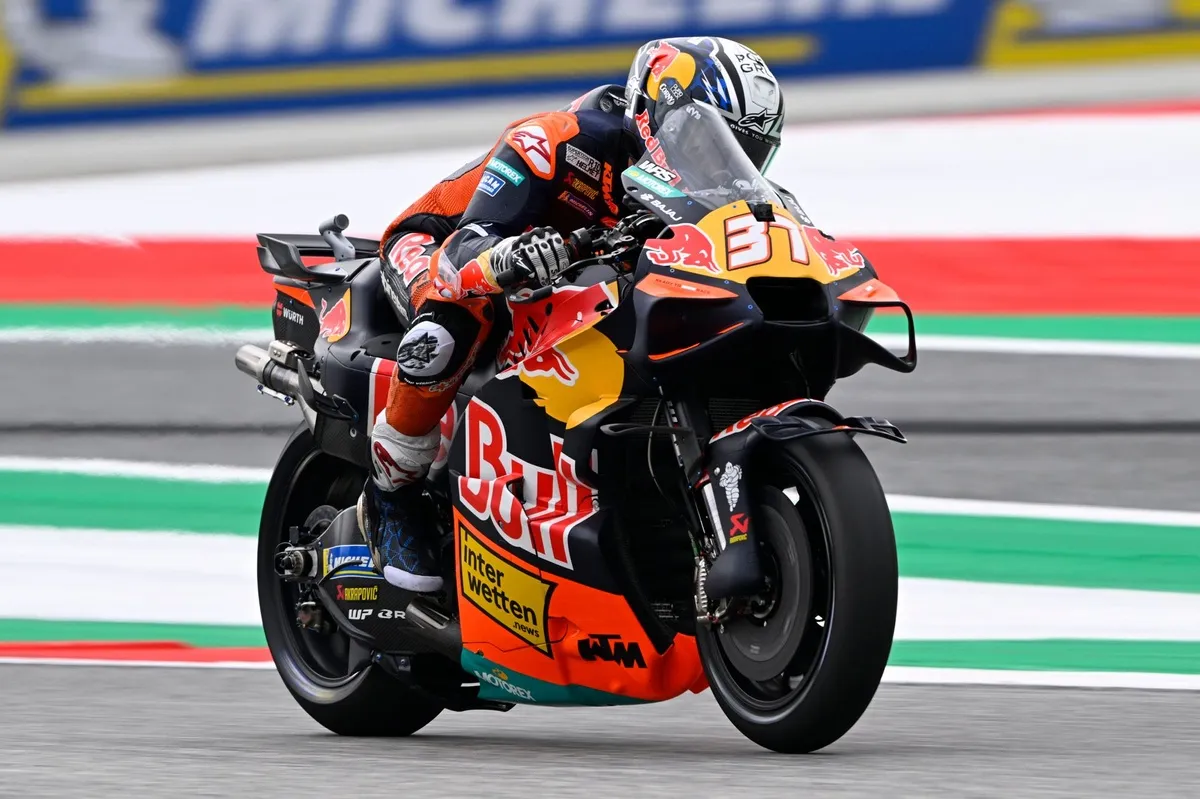
The legacy of the original Österreichring is inextricably linked to raw speed and formidable danger. Every corner demanded absolute precision from drivers, with high-speed sweepers taking place in fifth or sixth gear across a narrow track surface that lacked adequate run-off areas.
Tragically, high-profile accidents and rising speeds during the peak of turbo-charged engine power exposed the severe safety limitations of the venue. The notoriously fast Bosch Kurve and narrow pit straight produced heart-stopping moments, including wildlife hazards and multi-car start-line shunts that ultimately sealed the old track's fate.
The comprehensive redesign in the 1990s deliberately replaced sweeping hazards with tight right-handers and strategic straights designed to foster overtaking and enhance driver safety. While purists mourned the loss of the old layout's raw velocity, the modernization ensured motorsport could safely return to the Styrian mountains.
Today, the Red Bull Ring balances its rich historical roots with cutting-edge safety standards, including modern layout tweaks for motorcycle racing like the Turn 2 chicane. Honoring icons like Niki Lauda, the venue remains a beloved cathedral of speed for drivers and fans across the global racing community.