
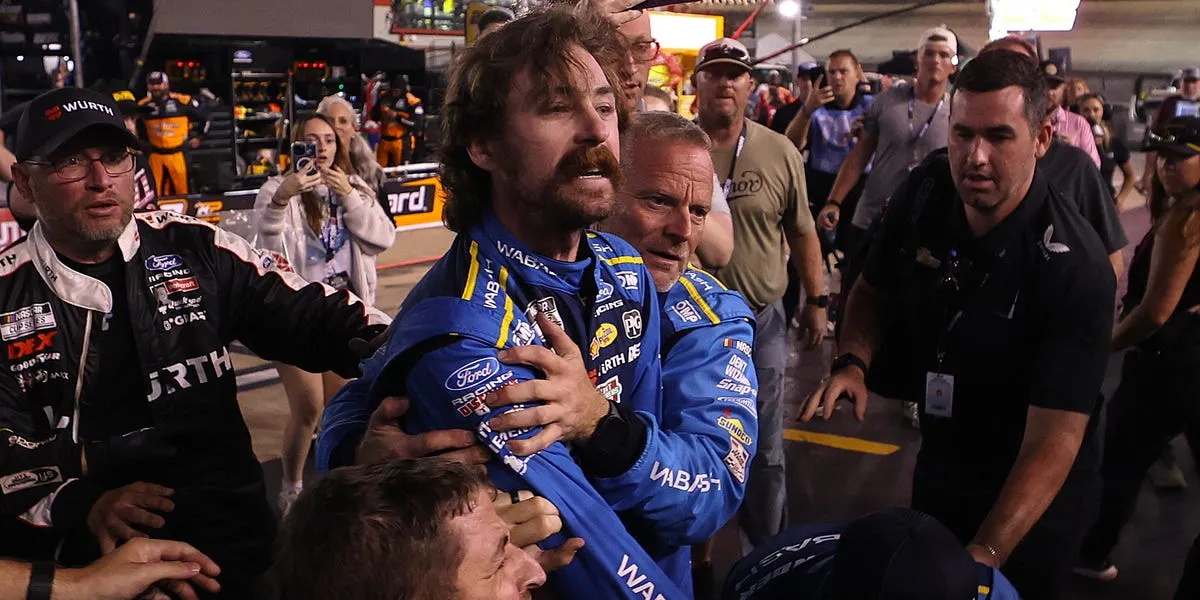
NASCAR's decision to forgo penalties for Ryan Blaney, Carson Hocevar, and their respective crew members after a brief pit road confrontation at Bristol has reignited discussions about driver discipline. While the ruling may divide fans and analysts, it aligns with a long-standing preference within the garage for competitors to handle on-track grievances among themselves.
Self-policing has evolved significantly over the decades, complicated today by the younger age of incoming drivers and the omnipresence of social media. Many modern competitors reach national touring series before they are legally old enough to rent a car, navigating high-pressure public careers while still finishing their personal maturation.
Related Stories

Get the Latest Sports News from Seymour's Bird
Receive the latest updates on football, basketball,and technology news directly in your inbox. It's free!
SubscribeHistorical precedents show that physical altercations and verbal disputes are hardly new to the sport, spanning eras from Tony Stewart and Joey Logano to Matt Kenseth and Brad Keselowski. In many of those past incidents, penalties were only levied when drivers crossed the line by using their race cars as weapons on the asphalt.
By keeping penalties off the table for this latest scuffle, governing officials have drawn a distinct boundary regarding acceptable conduct. Drivers are permitted to voice their frustrations face-to-face on pit road or in the garage, provided they leave their vehicles out of the retaliation.
Navigating Generational Shifts and On-Track Tensions
This enforcement philosophy places the onus back on the competitors to manage mutual respect without constant regulatory intervention from race control. However, as the championship battle intensifies toward the end of the season, maintaining this delicate balance between passion and punishment remains a central challenge for the sport.
The growing generational divide in the garage highlights a cultural shift in how drivers communicate, transitioning from direct phone calls to digital messaging and online public discourse. Veterans who spent years establishing unwritten codes of conduct now share the track with digital-native newcomers whose aggressive driving styles frequently test garage patience.
Team leadership and sanctioning bodies continuously monitor these dynamic relationships to prevent minor disagreements from escalating into dangerous safety hazards during high-speed competition. Balancing youthful aggression with veteran experience is a persistent hurdle for team owners managing driver development.
Observers note that historical rivalries have historically shaped the entertainment value of the championship, captivating audiences who tune in to witness high-stakes drama unfold weekend after weekend. The psychological warfare between seasoned champions and ambitious rookies adds an unpredictable layer to every playoff race.