
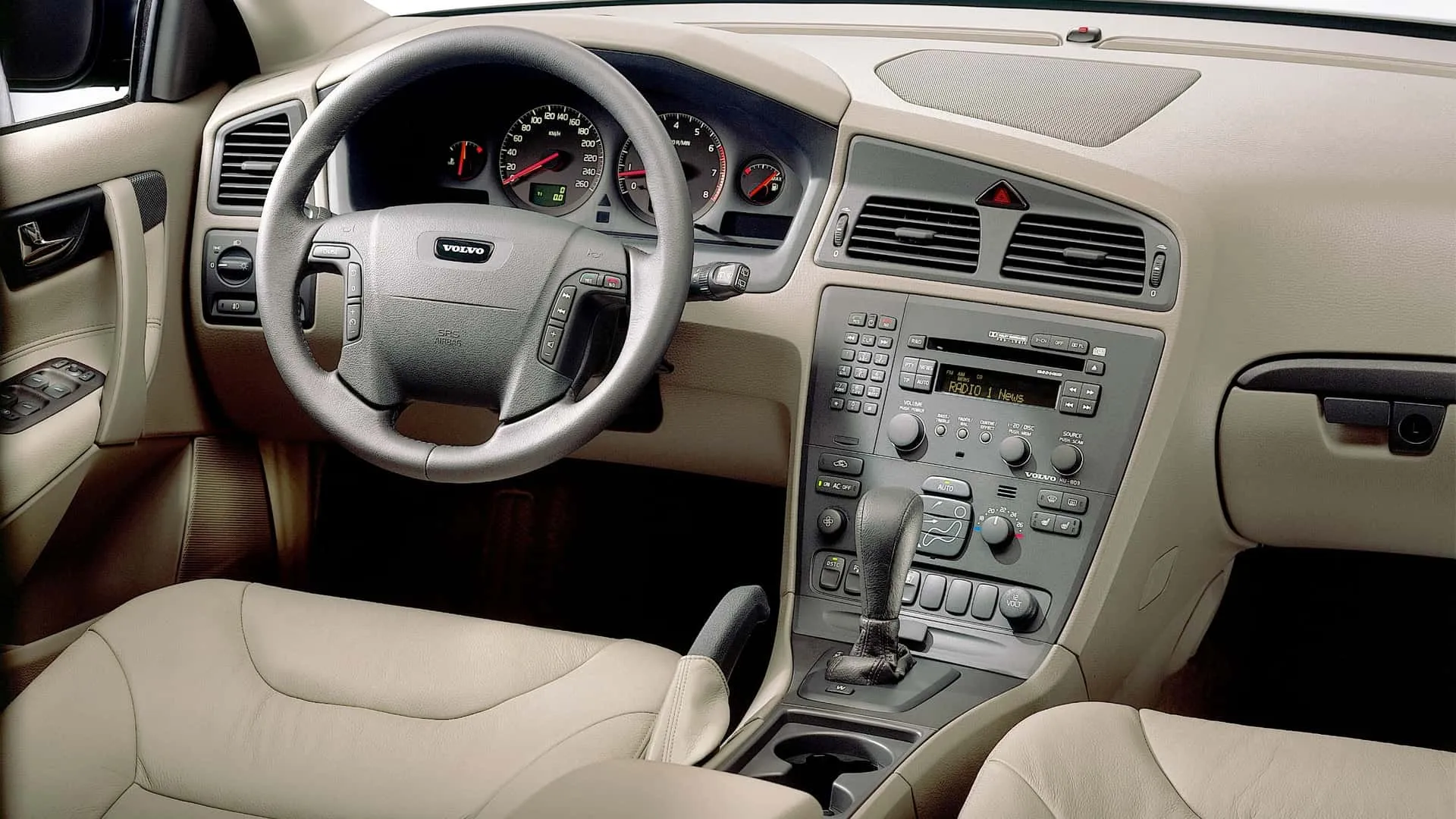
Volvo is officially listening to consumer feedback and bringing back physical buttons after years of leaning heavily into a touchscreen-dominated interior philosophy. The Swedish automaker has acknowledged that relying entirely on digital displays for vehicle controls may have gone too far, prompting a design shift moving forward.
During the Q and A session following the 2026 Strategy Update, returning design chief Thomas Ingenlath explained that eliminating physical controls entirely is a major issue that needs correction. Both drivers and automotive journalists have expressed growing frustration with minimalist cockpits where nearly every function is buried inside digital menus.
Related Stories

Get the Latest Sports News from Seymour's Bird
Receive the latest updates on football, basketball,and technology news directly in your inbox. It's free!
SubscribeDespite the upcoming changes, drivers should not expect dashboards packed with rows of vintage switches reminiscent of older legacy models. Instead, Volvo aims to carefully evaluate which functions benefit most from tactile operation while keeping digital screens for tasks they handle best.
"We are not going to abandon the touchscreen," Ingenlath stated, emphasizing a balanced approach. "We will use the touchscreen for what it does well, but anything that needs to be displayed permanently should not be on a screen, which is why we are reintroducing a few more buttons."
Volvo Focuses on Premium Tactile Design for Future Models
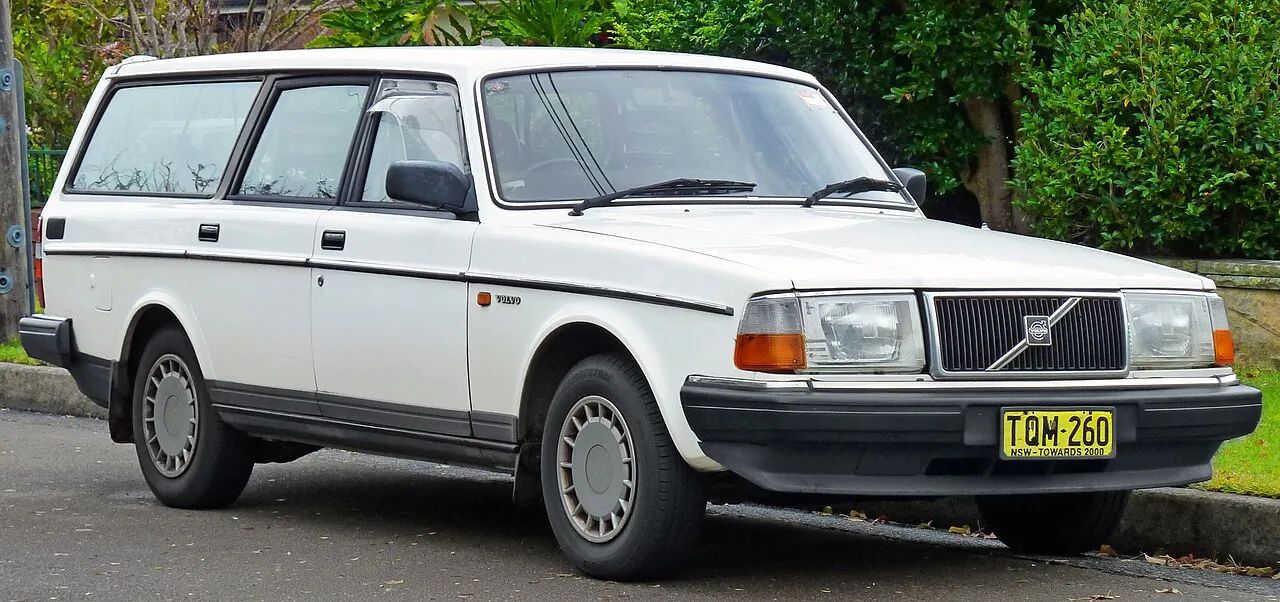
To guide this transition, Ingenlath drew inspiration from classic Leica cameras, where the appeal lies in tactile feedback, premium materials, and distinct physical shapes. Volvo hopes to replicate this thoughtful ergonomic experience to deliver a higher sense of quality inside future cabins.
This cabin redesign is part of a broader brand evolution leading up to Volvo's centennial in 2027, where new concept vehicles will showcase both updated interior controls and refreshed exterior styling under Geely ownership.
Volvo interior evolution goes beyond merely slapping shortcuts beneath the display, focusing instead on integrated rotary dials and uniquely shaped switches that feel natural to use.
The automaker believes that physical controls must offer genuine premium feedback rather than acting as an afterthought, enhancing overall driving comfort and safety on the road.