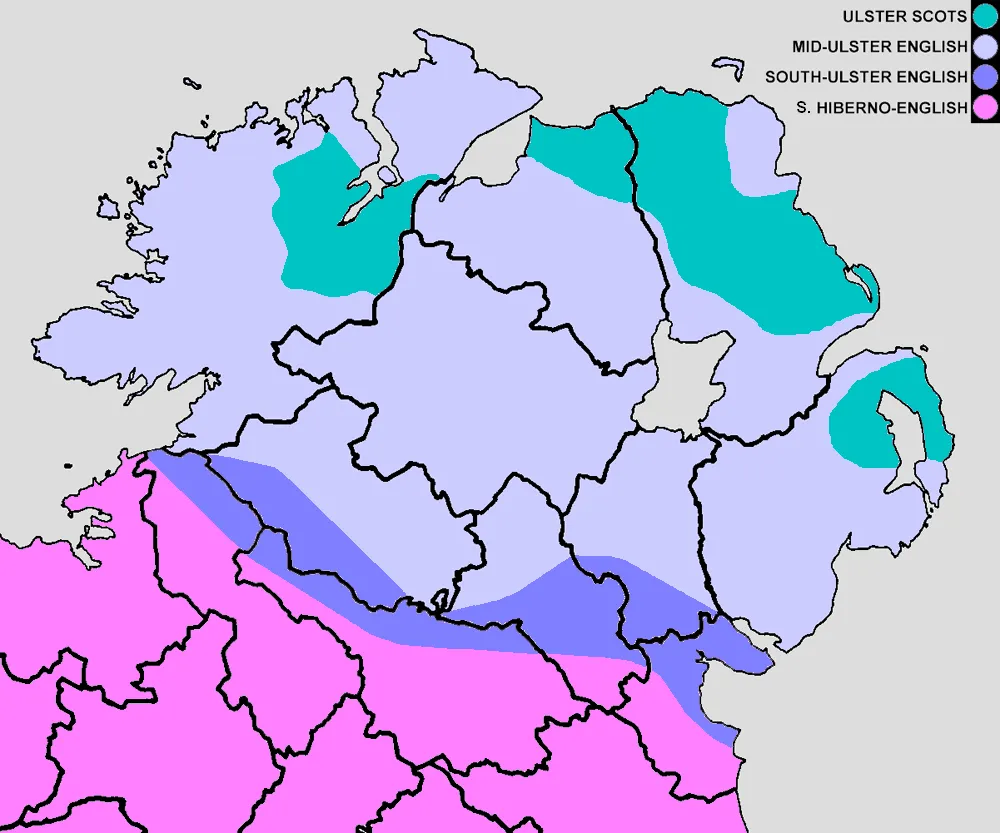
Ulster Scots, also known as Ullans or the hamely tongue, is the variety of Scots spoken predominantly in parts of Northern Ireland and County Donegal. While most linguists classify it as a dialect group of Scots, dedicated cultural societies and advocacy groups argue for its recognition as a distinct language in its own right, highlighting its unique literary and historical footprint.
Geographical boundaries of the speech community were famously established by linguist Robert John Gregg during the mid-20th century. According to his research, the vernacular thrives across mid and east Antrim, north Down, north-east County Londonderry, the Mourne coast, and parts of east and north Donegal.
Related Stories

Get the Latest Sports News from Seymour's Bird
Receive the latest updates on football, basketball,and technology news directly in your inbox. It's free!
SubscribeRecent census data underscores the ongoing vitality of the vernacular within the region. In the 2021 census of Northern Ireland, over 20,000 residents reported that they can speak, read, write, and understand Ulster Scots, while tens of thousands more noted speaking abilities or a general familiarity with the tongue.
Official recognition of Ulster Scots has evolved significantly through landmark political agreements and cross-border bodies. The Good Friday Agreement formally acknowledges Ulster Scots as "part of the cultural wealth of the island of Ireland," paving the way for agencies dedicated to promoting awareness and preserving its rich cultural heritage.
Navigating the Debate Between Dialect and Language
The official status of Ulster Scots remains a subject of engaging discussion among academics, cultural enthusiasts, and government bodies. While major linguistic frameworks treat it as a regional variety or dialect of Scots, passionate advocates continue to champion its standing as a fully independent linguistic entity.
International frameworks have also addressed its unique standing. The United Kingdom recognizes that Scots and Ulster Scots fulfill the criteria of a regional or minority language under the European Charter for Regional or Minority Languages, though implementation commitments differ from those applied to other regional tongues.
Cross-border institutions such as the Ulster-Scots Agency have been mandated to foster greater awareness and usage of Ullans. The agency focuses heavily on promoting the study, conservation, and development of Ulster Scots as a living medium of communication.
"The promotion of greater awareness and the use of Ullans and of Ulster-Scots cultural issues remains central to our mission," noted organizational guidelines outlining efforts to encourage the full range of attendant cultural traditions.