
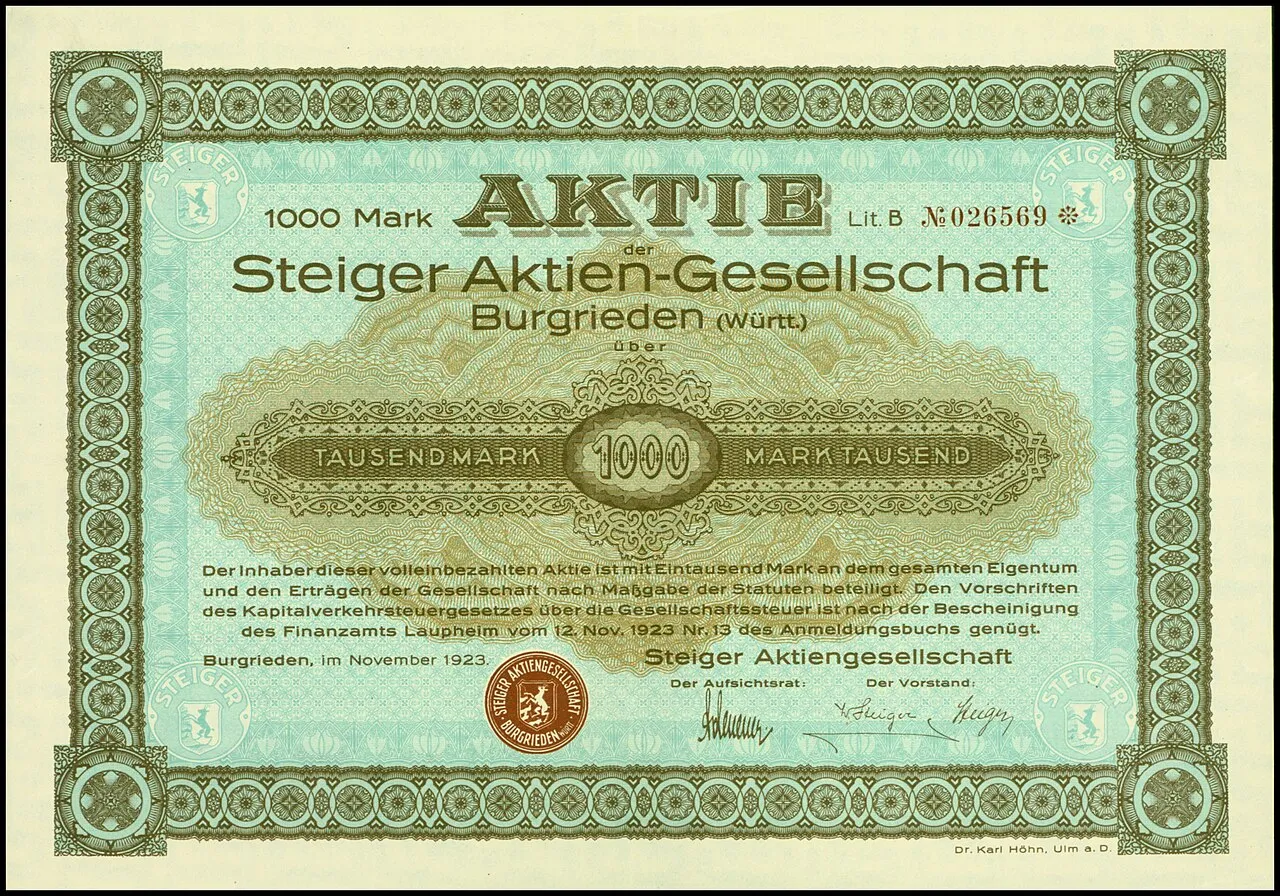
Steiger automobile company was founded in 1914 as Maschinenfabrik Walther Steiger and Co by Swiss engineer Walther Steiger in Burgrieden near Ulm, Germany. Initially focusing on repairing aeroplanes and aeroplane engines during World War I, the firm eventually shifted its focus to motorized vehicles, establishing a reputation for advanced engineering and progressive design.
The company released its first model, the Steiger 10/50 PS, in 1920, featuring a modern overhead camshaft engine that won acclaim as a significant technical innovation of the early 1920s. With a peak workforce of up to 500 employees, the firm crafted high-class products often compared to Bugatti, securing notable victories at prestigious racing events across Europe.
Related Stories

Get the Latest Sports News from Seymour's Bird
Receive the latest updates on football, basketball,and technology news directly in your inbox. It's free!
SubscribeDespite its engineering prowess and success on the racetrack, the company faced severe economic headwinds during the German automobile crisis. Following the liquidation of the firm in 1926, Walther Steiger transitioned to collaborate with the Swiss manufacturer Martini, continuing his automotive innovations before market pressures ultimately caught up with the brand.
Today, the legacy of Steiger remains a fascinating chapter in vintage automotive history, representing a brief period when precision engineering and racing ambition pushed the boundaries of early twentieth-century car manufacturing.
Engineering Excellence on the Racetrack
Steiger high-performance sports and racing models proved their worth by dominating major European racing events throughout the 1920s, including the Solituderennen and Targa Florio. Their advanced roadsters reached impressive top speeds of up to 140 kilometers per hour, showcasing the cutting-edge capabilities of German manufacturing.
Paul Henze worked alongside Walther Steiger to develop progressive features such as u-shaped pressed steel frames and leaf spring suspension systems. These innovations made Steiger vehicles some of the most progressive serially-produced cars of their time, capturing the imagination of motoring enthusiasts worldwide.
Even with an international sales office operating in Manhattan, New York, the handcrafted nature of these vehicles made it difficult to compete against cheaper, mass-produced alternatives from larger industrial competitors in France, America, and Germany.
The brand ultimate closure marked the end of an era for independent luxury car builders, leaving behind a rich archive of classic automotive achievements that continue to captivate vintage car collectors and historians alike.