
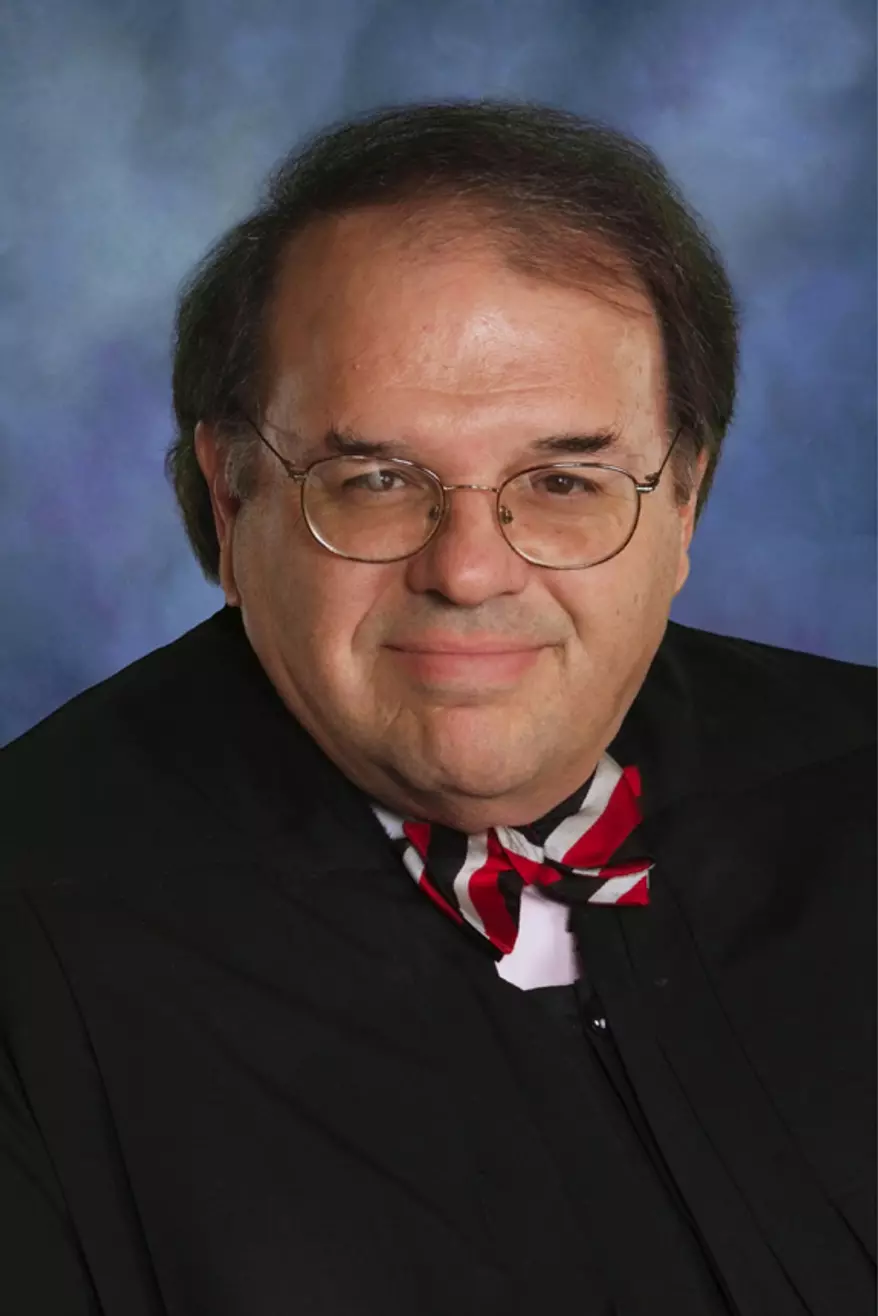
Richard J. Leon serves as a senior United States district judge of the U.S. District Court for the District of Columbia, having built a decades-long career in federal jurisprudence. Appointed in 2002 by President George W. Bush after years of service in private practice and government legal roles, Leon has presided over numerous landmark cases that tested the boundaries of executive power and constitutional rights.
Born in South Natick, Massachusetts, in 1949, Leon pursued his undergraduate education at the College of the Holy Cross before earning his Juris Doctor from Suffolk University Law School and a Master of Laws from Harvard Law School. His early career featured clerkships in state courts, service as an attorney for the Department of Justice, and teaching positions at prominent law schools.
Related Stories

Get the Latest Sports News from Seymour's Bird
Receive the latest updates on football, basketball,and technology news directly in your inbox. It's free!
SubscribeThroughout his judicial tenure, Leon has tackled complex and politically sensitive matters, including adjudicating habeas corpus petitions for Guantanamo Bay detainees and evaluating large-scale corporate mergers. His willingness to challenge government overreach has earned him a reputation as an independent jurist committed to upholding the checks and balances of the American legal system.
Transitioning to senior status in 2016, Leon continues to be recognized for his extensive judicial contributions and his sharp commentary on legal ambiguities in national security, privacy, and constitutional law.
Landmark Rulings and Judicial Philosophy
Judge Leon's career is punctuated by significant rulings addressing government surveillance, executive actions, and civil liberties. In 2013, he famously ruled that the NSA's bulk collection of telephone records likely violated the Fourth Amendment, describing the technology as nearly Orwellian and questioning its efficacy in preventing terrorist attacks.
In addition to surveillance matters, Leon addressed executive overreach in high-profile cases involving federal authority and constitutional protections. His judicial philosophy consistently emphasizes the necessity of an independent judiciary and bar capable of tackling complex, controversial cases without succumbing to political pressure.
His docket also included managing challenging litigation surrounding environmental reviews, corporate antitrust reviews such as the AT&T and Time Warner merger, and regulatory actions involving federal agencies. In each instance, Leon demonstrated meticulous scrutiny of government arguments and corporate practices alike.
By maintaining a steadfast focus on constitutional fidelity and judicial independence, Richard J. Leon remains a notable figure in modern American federal jurisprudence.