
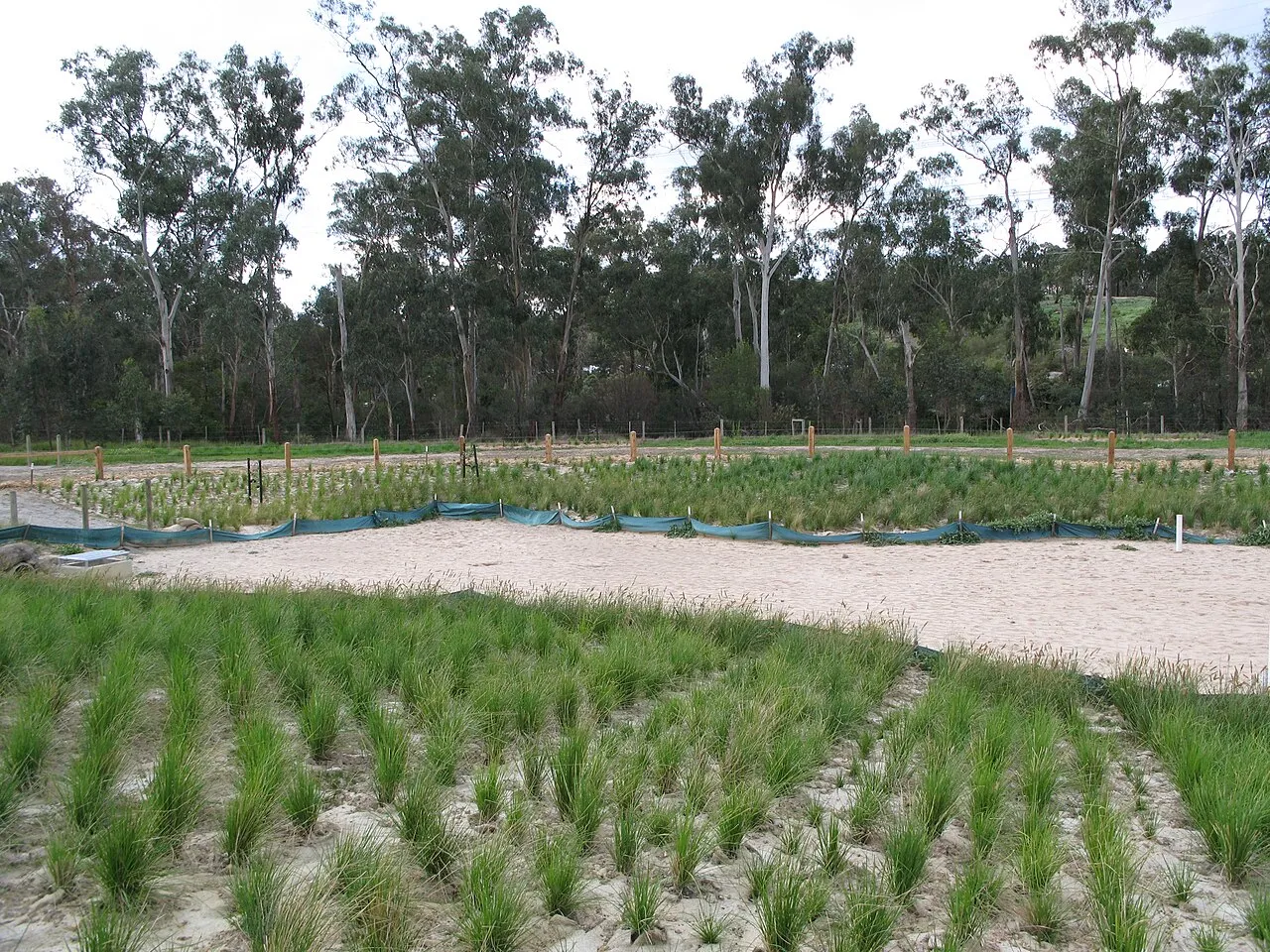
Ecological restoration is rapidly transforming into a cornerstone global strategy aimed at actively repairing degraded, damaged, or destroyed ecosystems rather than merely relying on preventative conservation. With the United Nations championing the Decade on Ecosystem Restoration, scientists and practitioners worldwide are deploying methods ranging from reforestation and erosion control to the removal of invasive species.
However, defining the ultimate target of these restoration projects remains a contentious issue among experts. While traditional approaches sought to return environments to a pristine historic baseline, modern ecologists emphasize the reality of a shifting baseline driven by ongoing climate change and dynamic environmental shifts.
Related Stories

Get the Latest Sports News from Seymour's Bird
Receive the latest updates on football, basketball,and technology news directly in your inbox. It's free!
SubscribeSkeptics often question the economic feasibility and long-term success of certain high-profile projects, pointing out that ecosystems naturally exist in a state of dynamic equilibrium rather than static perfection. Furthermore, debates persist around active interventions versus passive rewilding, with critics warning that poorly planned afforestation can inadvertently harm local biodiversity.
Despite these logistical and philosophical hurdles, the integration of genetic diversity, community involvement, and rigorous scientific frameworks continues to strengthen restoration practices. As human impacts continue to alter the planet, finding a balance between realistic functionality and historical recovery remains essential for long-term ecological stability.