
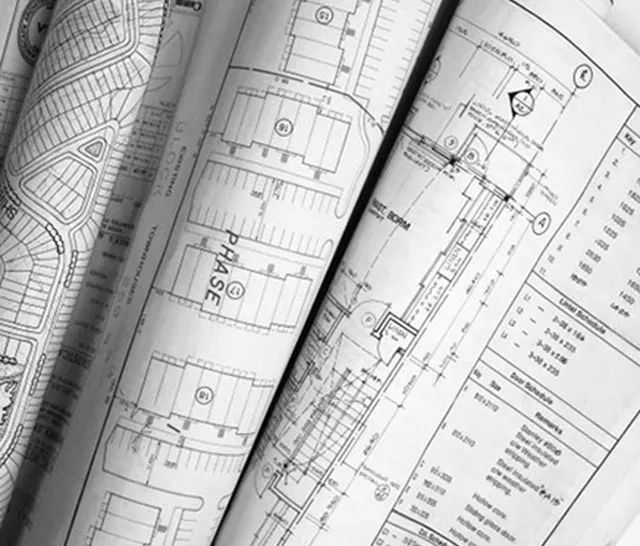
Whiteprint describes a document reproduction produced by using the diazo chemical process, serving as a cornerstone for architectural and engineering firms throughout the 20th century. Also widely recognized as the blue-line process because it yields distinct blue lines on a clean white background, this method transformed how technical drawings were shared and preserved.
The process relies fundamentally on light-sensitive diazonium salts and colorless couplers mixed in water and coated onto specialized paper, polyester film, or vellum. When exposed to ultraviolet light through a translucent master document, the unmasked areas lose their color sensitivity, while the protected areas react with ammonia fumes during development to form sharp, visible blue or black lines.
Related Stories

Get the Latest Sports News from Seymour's Bird
Receive the latest updates on football, basketball,and technology news directly in your inbox. It's free!
SubscribeReplacing the older and more toxic blueprint process around the turn of the 20th century, whiteprinting offered a simpler and more efficient way to generate working copies. Professionals could store durable original vellum drawings safely while running fast, cost-effective reproductions for active construction and design projects on the ground.
Despite its widespread utility, whiteprint technology possessed a notable quirk in its lack of permanence. Prints exposed to natural sunlight or standard office fluorescent lighting would gradually fade over months or days, requiring offices to store working copies in dark flat files or rely on incandescent lighting to preserve critical project details.
Understanding the Mechanics of Diazo Printing
The technology ultimately faced obsolescence near the turn of the 21st century as digital transformation swept through engineering offices. The rapid rise of computer-aided design, digital pen plotters, and large-format xerographic printers rendered chemical development methods inefficient, closing an iconic chapter of industrial design history.
The mechanics of diazo printing bridge organic chemistry and practical drafting, requiring precise environmental controls within duplication rooms. Operating traditional whiteprint machines involved feeding original translucent drawings alongside chemically treated sheets into dual-chamber exposure and development units.
In the exposure chamber, intense ultraviolet light penetrated transparent areas of the master document to neutralize light-sensitive chemicals. Operators fine-tuned machine speeds and lamp intensities based on the specific thickness and durability requirements of vellums, linens, or translucent bond papers.
Following ultraviolet exposure, the diazo sheet passed into a developing chamber saturated with ammonium hydroxide fumes. This highly alkaline environment catalyzed the reaction between unexposed diazonium salts and couplers, instantly converting invisible traces into crisp blue, black, or sepia lines.