
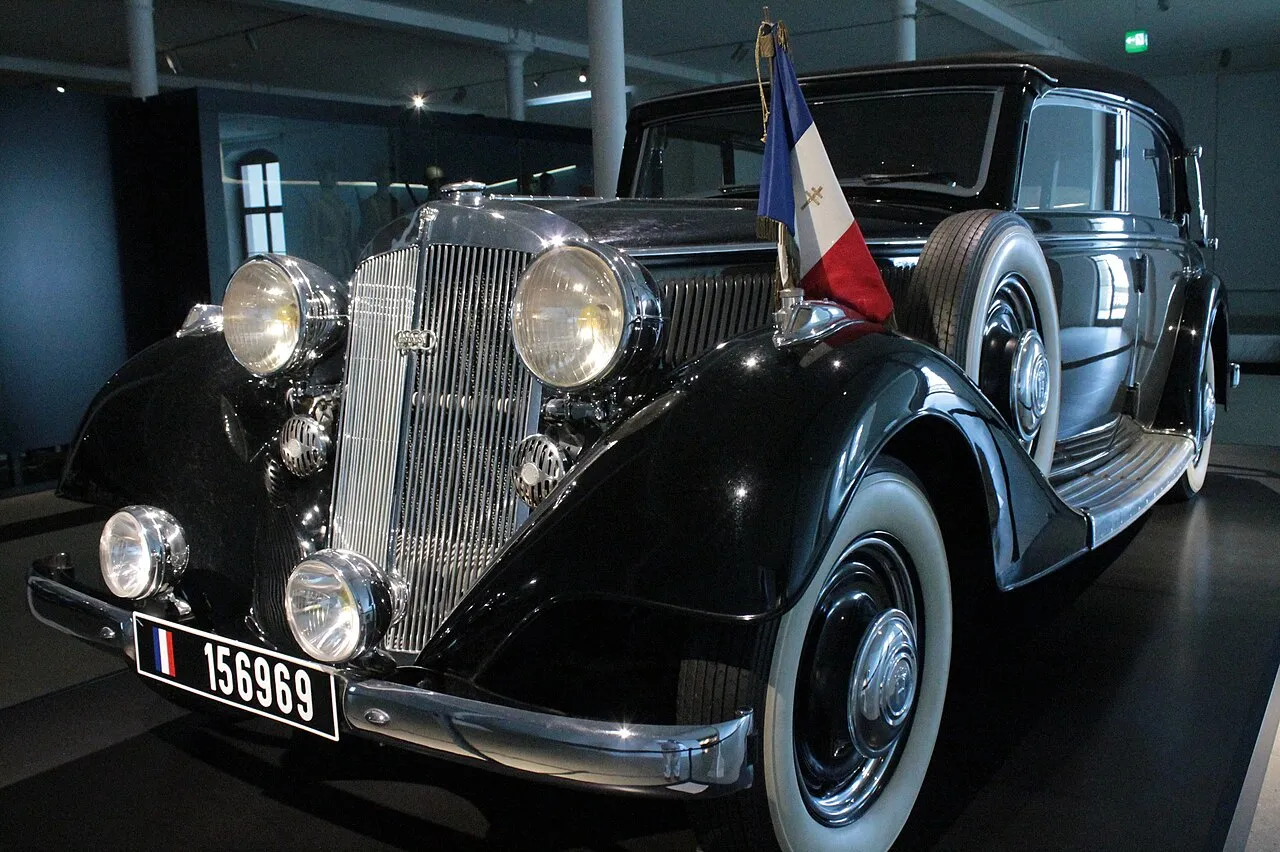
Horch stands as a legendary German car manufacturer that traced its roots back to several companies founded in the late 19th and early 20th centuries by visionary automotive pioneer August Horch. Recognized as one of the crucial predecessors of the present-day Audi company, the brand helped lay the technological and engineering foundations for the modern global automotive industry.
August Horch established his first enterprise in Cologne in 1899 before moving operations to Reichenbach im Vogtland and later founding Horch and Cie. Motorwagenwerke AG in Zwickau in 1904. Following management disputes that led to his departure, August Horch went on to found a second company, eventually establishing Audi in 1910 through a clever Latin translation of his own German surname.
Related Stories

Get the Latest Sports News from Seymour's Bird
Receive the latest updates on football, basketball,and technology news directly in your inbox. It's free!
SubscribeDuring the 1930s, both Zwickau-based firms merged with DKW and Wanderer to form the Auto Union corporation, creating a powerhouse in German engineering and motorsport with iconic Silver Arrow racing cars. Horch itself became renowned for building luxurious, high-performance vehicles equipped with advanced straight-eight and V12 engines that competed directly with top-tier luxury brands of the era.
Following heavy wartime destruction and the subsequent division of Germany, the original Horch factories transitioned through various state-controlled operations before the site was eventually acquired by Volkswagen in 1991. This acquisition successfully restored the historic connection between the legendary Zwickau location and the modern Audi brand, preserving a rich automotive legacy.
Horch and Its Connection to Auto Union and Audi
The 1932 merger that formed Auto Union united Horch, Audi, DKW, and Wanderer under a single corporate banner, a historic alliance commemorated today by Audi's iconic four-ring logo. This union allowed the engineering departments to pool their expertise, resulting in legendary engineering achievements both on the racetrack and in luxury civilian manufacturing.
Throughout the pre-war period, Horch solidified its reputation as a builder of elite luxury vehicles, introducing sophisticated models like the 850-series that represented the pinnacle of German automotive craftsmanship. These vehicles were favored by the wealthiest drivers and high-ranking officials, cementing the brand's prestige in automotive history.
Despite the disruptions of World War II and the subsequent post-war economic challenges in East Germany, the engineering spirit of the original factories persisted through transitional models and regional manufacturing iterations before the eventual reunification of the brand's heritage.
In recent decades, Audi has revived the historic Horch name as an ultra-luxury flagship trim level for its top-tier sedans, ensuring that the legacy of August Horch continues to resonate in the modern era of high-end automotive engineering.