
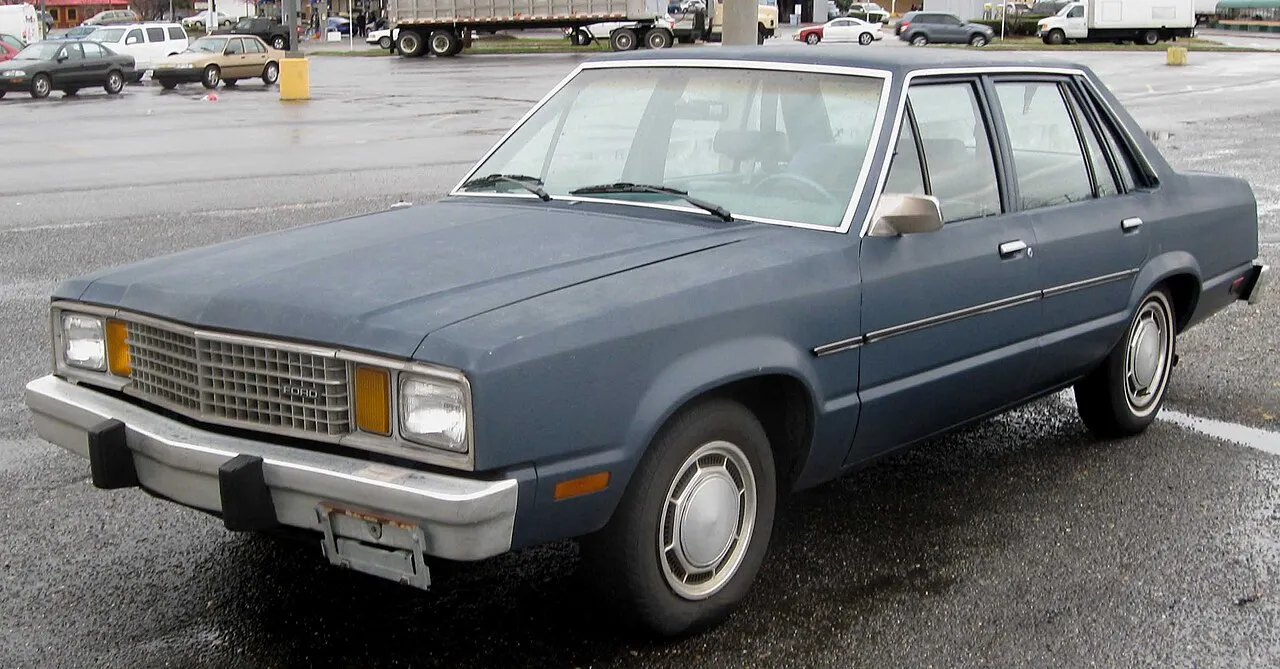
Ford Fairmont compact cars manufactured by Ford for the 1978 to 1983 model years changed the landscape of North American automotive engineering. Serving as the successor to the Ford Maverick, the Fairmont introduced the groundbreaking rear-wheel drive Ford Fox platform, a versatile architectural design that would eventually underpin dozens of vehicle models across multiple brands for over two decades.
Launched in August 1977 as a 1978 model, the Fairmont offered consumers unprecedented variety with two-door notchback sedans, coupes, four-door sedans, and five-door station wagons. Underneath its steel unibody construction, the vehicle utilized a modified MacPherson strut independent front suspension and a coil-spring rear axle, delivering a balanced ride that quickly captured the attention of drivers navigating post-oil-crisis economic realities.
Related Stories

Get the Latest Sports News from Seymour's Bird
Receive the latest updates on football, basketball,and technology news directly in your inbox. It's free!
SubscribeEngine options ranged from a standard 2.3-liter inline-four to larger inline-six and Windsor V8 configurations, providing a versatile balance of fuel economy and performance. The lineup also expanded with the sporty Fairmont Futura coupe, featuring a distinctive wrapover B-pillar and a four-headlight fascia that elevated the car's visual appeal across North American roadways.
By the time production concluded, a Fairmont had even marked the historic milestone of becoming the 100 millionth vehicle assembled by Ford Motor Company. Although front-wheel drive replacements like the Ford Tempo eventually took its place for the 1984 model year, the enduring legacy of the Fairmont and its Fox platform remains a cornerstone of automotive history.
Engineering the Future with the Fox Platform
Development of the Fox platform began in early 1973 under the direction of key automotive executives responding directly to shifting market demands and stricter fuel economy standards. Hal Sperlich championed the vision of a flexible vehicle architecture, while executive leadership such as Lee Iacocca formally approved the platform's development to modernize Ford's aging product portfolio.
The engineering team faced numerous challenges balancing conflicting regulatory requirements across different markets, ultimately shifting the project's focus entirely to North American operations. Despite the cancellation of initial global car concepts, the foundational work persisted to create a lightweight, highly adaptable rear-wheel drive chassis that could support everything from economy commuters to performance coupes.
Twin automotive iterations like the Mercury Zephyr debuted alongside the Fairmont, sharing the same Fox architecture while offering distinct styling cues such as waterfall grilles and upscale trim packages. This platform sharing allowed Ford to maximize manufacturing efficiency while offering distinct brand identities across the compact and mid-size segments throughout the late 1970s and early 1980s.
Ultimately, the longevity of the Fox platform far outlived the Fairmont nameplate itself, continuing to support iconic performance and luxury vehicles well into the 2000s. The foresight invested in developing the Fairmont's underlying structure secured a profitable and adaptable foundation that guided Ford through decades of shifting industry standards.