
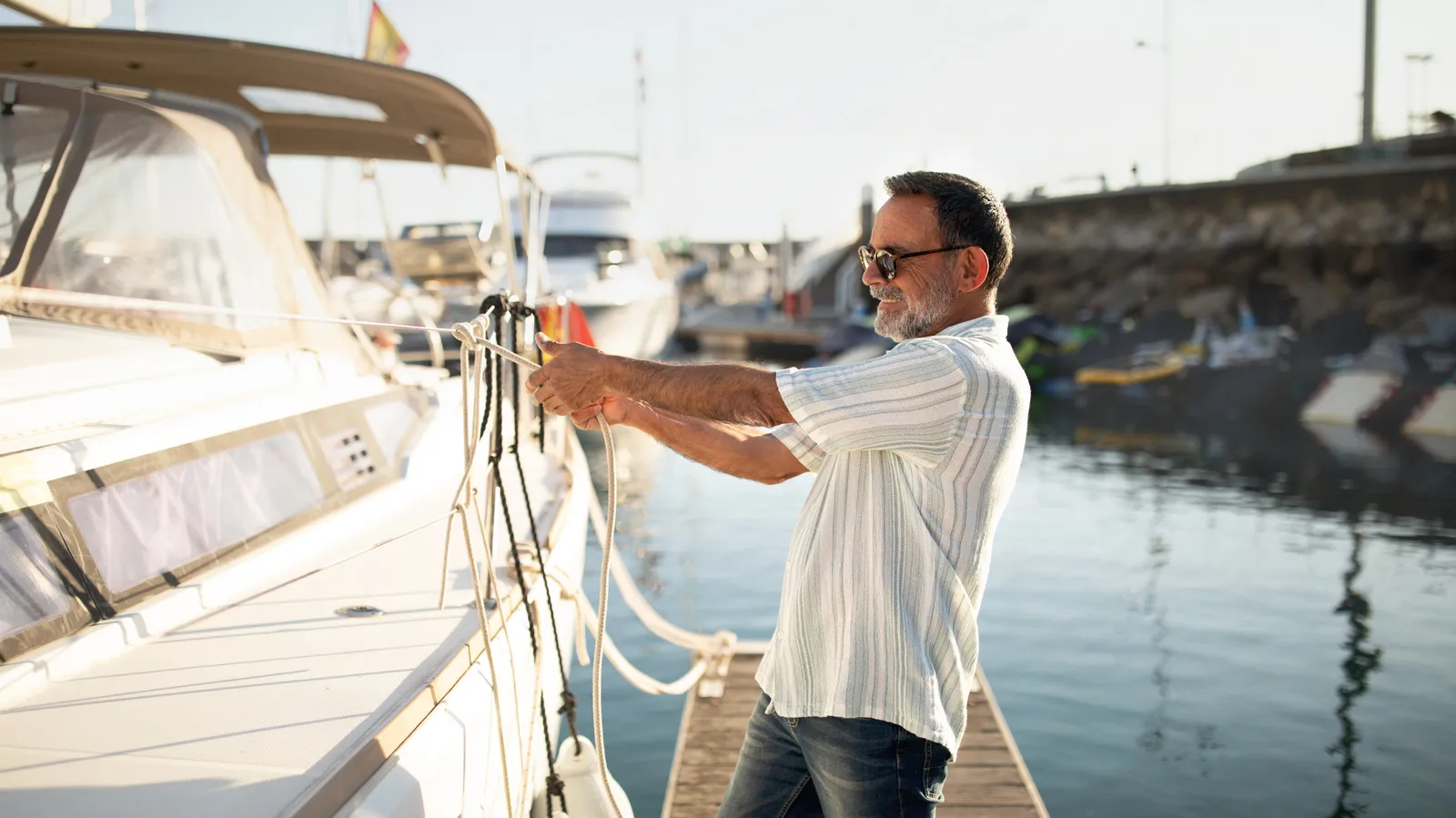
Boating safety rules remain just as vital near the end of a trip as they are out on the open water. Many boaters mistakenly assume the risk of accidents decreases once the journey nears its end, yet docking requires careful attention, precise handling, and adherence to established marine safety protocols.
Preparing to dock ahead of time significantly boosts the odds of a safe and smooth maneuver. Captains should reduce speed to idle as they approach the facility, utilizing small throttle bursts only when necessary to maintain control of the vessel.
Related Stories

Get the Latest Sports News from Seymour's Bird
Receive the latest updates on football, basketball,and technology news directly in your inbox. It's free!
SubscribeAssigning clear roles to crew members is another critical element of safe docking procedures. Only passengers with the appropriate knowledge and experience should handle fenders and dock lines, ensuring complete clarity and coordination across the deck.
Ensuring all passengers remain seated or securely holding onto a fixture prevents unexpected injuries from sudden movements. Fenders must be properly positioned on the correct side, and dock lines must be ready well before final contact with the pier is made.
Safe Disembarking and Environmental Factors
Safe disembarking protocols dictate that passengers must never leap from a moving boat to the pier. Misjudging the distance can easily lead to severe slips, falls, or limbs getting crushed between the hull and the wooden structure.
Crew members should also avoid placing their hands, fingers, or arms over the sides of the vessel while approaching a slip. Sudden sways caused by wakes or shifting water can trap exposed body parts against the dock with dangerous force.
Accounting for environmental conditions such as wind and current is essential for every successful docking approach. Facing a strong headwind calls for a steeper angle of approach, whereas a tailwind requires a shallower angle and reduced speed to prevent heavy impacts.
Reviewing local regulations and practicing maneuverability in ideal weather conditions builds confidence and proficiency. Adhering to these core safety guidelines ensures that every boating excursion ends safely for everyone on board.