
Madrid residents face severe noise and disruption from the newly constructed Madring Formula One circuit as recent test runs reveal decibel levels soaring past legal limits ahead of this month's inaugural Spanish Grand Prix.
The regional government and city council champion the 83 million euro, 5.4-kilometer circuit as a major economic booster designed to put the Spanish capital firmly on the international motor racing map.
Related Stories

Get the Latest Sports News from Seymour's Bird
Receive the latest updates on football, basketball,and technology news directly in your inbox. It's free!
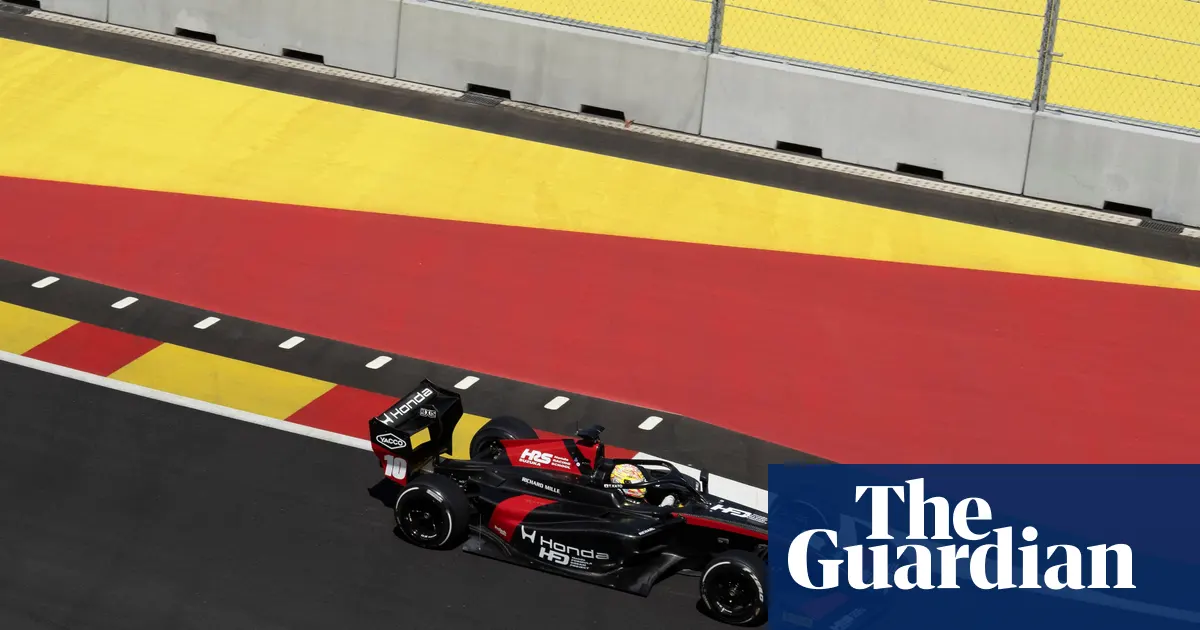
SubscribeHowever, recent track tests utilizing Formula Three vehicles triggered strong backlash from local communities, with the Stop F1 Madrid platform reporting average noise levels hitting 102.7 decibels alongside peaks reaching 109.1 decibels, vastly outstripping the 55-decibel residential limit.
"It is not just about the dust and the noise," said Antonio Ibanez, a spokesperson for the local platform, highlighting difficulties for remote workers and severe distress caused to vulnerable children in the surrounding neighborhoods.
Authorities Defend Project Amid Environmental Concerns

City and regional authorities maintain that the short-term disruption will yield long-term economic gains, pointing to planned mitigation efforts like acoustic panels.
Borja Carabante, Madrid's city councillor for urban planning and mobility, insisted that the testing vehicles produced more noise than actual Formula One cars, assuring citizens that race weekend would experience reduced noise levels.
Meanwhile, environmental groups have criticized the project for exacerbating the city's urban heat island effect, noting that hundreds of trees were removed and a seasonal wetland was destroyed to clear space for the track.
"The people in charge of the city are prioritising the economic interests of Formula One over the wellbeing of the citizens," said Maria Angeles Nieto, a spokesperson for the Madrid Environmentalist platform.