
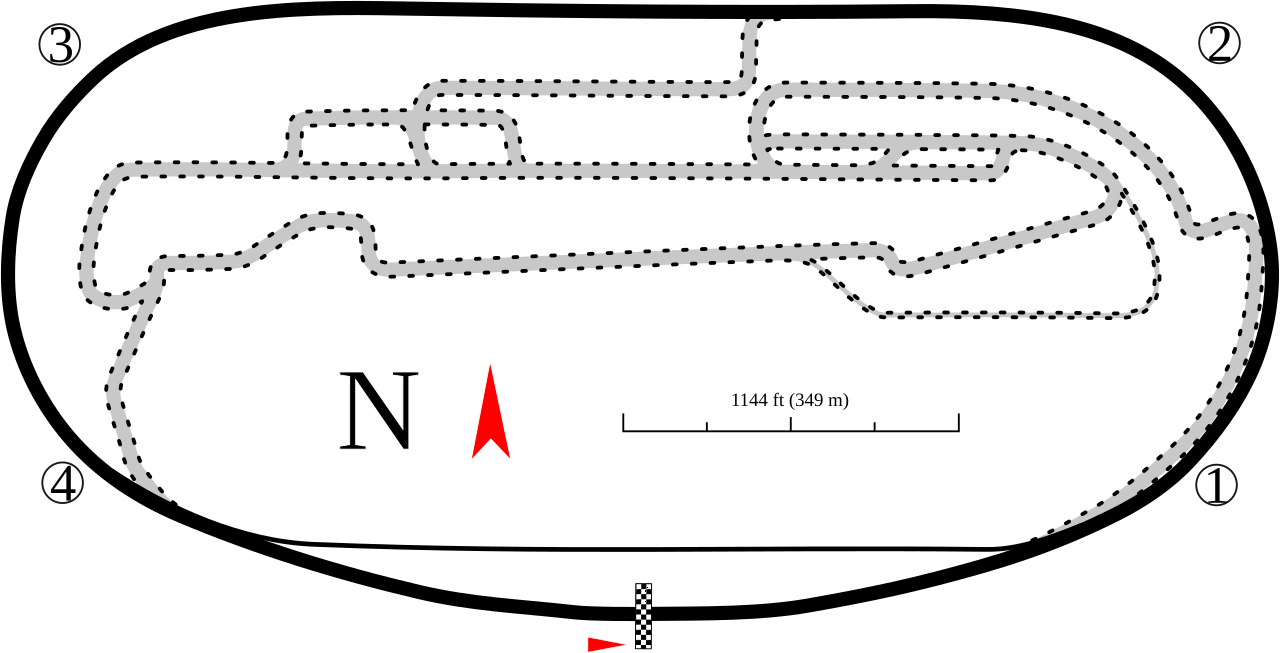
Auto Club Speedway demolition and massive land sales have effectively signaled a dramatic shift for motorsports in Southern California. Known originally as California Speedway, the iconic 2.000-mile D-shaped oval in Fontana served as a cornerstone for NASCAR and open-wheel racing from its opening in 1997 until its closure.
The facility, built on the grounds of a former Kaiser Steel Mill, once boasted a massive seating capacity and hosted thrilling annual NASCAR Cup Series events. Despite early successes and historical racing moments, mounting maintenance challenges, attendance fluctuations, and changing corporate priorities led to its eventual shutdown for the Next Gen California project.
Related Stories

Get the Latest Sports News from Seymour's Bird
Receive the latest updates on football, basketball,and technology news directly in your inbox. It's free!
SubscribeSignificant portions of the 522-acre property have been sold off to make way for industrial warehouses and business parks. While NASCAR leadership has previously discussed intentions to carve out a smaller short track configuration from the remaining acreage, the timeline and execution remain wrapped in uncertainty.
The site's legacy extends far beyond racing, having served as a popular backdrop for major Hollywood motion pictures, commercials, and animated features like Pixar's Cars. As the physical structures continue to disappear, the speedway remains a monumental chapter in American racing history.
The Rise and Fall of a Racing Giant
The journey of the Fontana speedway began with ambitious visions from Roger Penske and NASCAR leadership back in the mid-1990s, transforming an environmental cleanup zone into a premier racing destination. It quickly established itself as a major market anchor for stock car racing on the West Coast.
Throughout its operational lifetime, the track witnessed legendary triumphs, heartbreaking tragedies, and massive configuration adjustments designed to keep pace with modern safety and entertainment standards. Yet, scheduling adjustments and weather-related hurdles eventually forced a reduction in racing dates down to a single annual weekend.
Alternative venues like the Los Angeles Memorial Coliseum and street racing circuits have since attempted to fill the Southern California void for stock car fans. Nevertheless, loyal enthusiasts continue to look back fondly on the high-speed drama that defined the Fontana era.
Whether a modernized short track will ever rise from the remnants of the old superspeedway remains one of the sport's most closely watched questions. For now, the sweeping turns of the historic speedway live on primarily through memories and archives.