
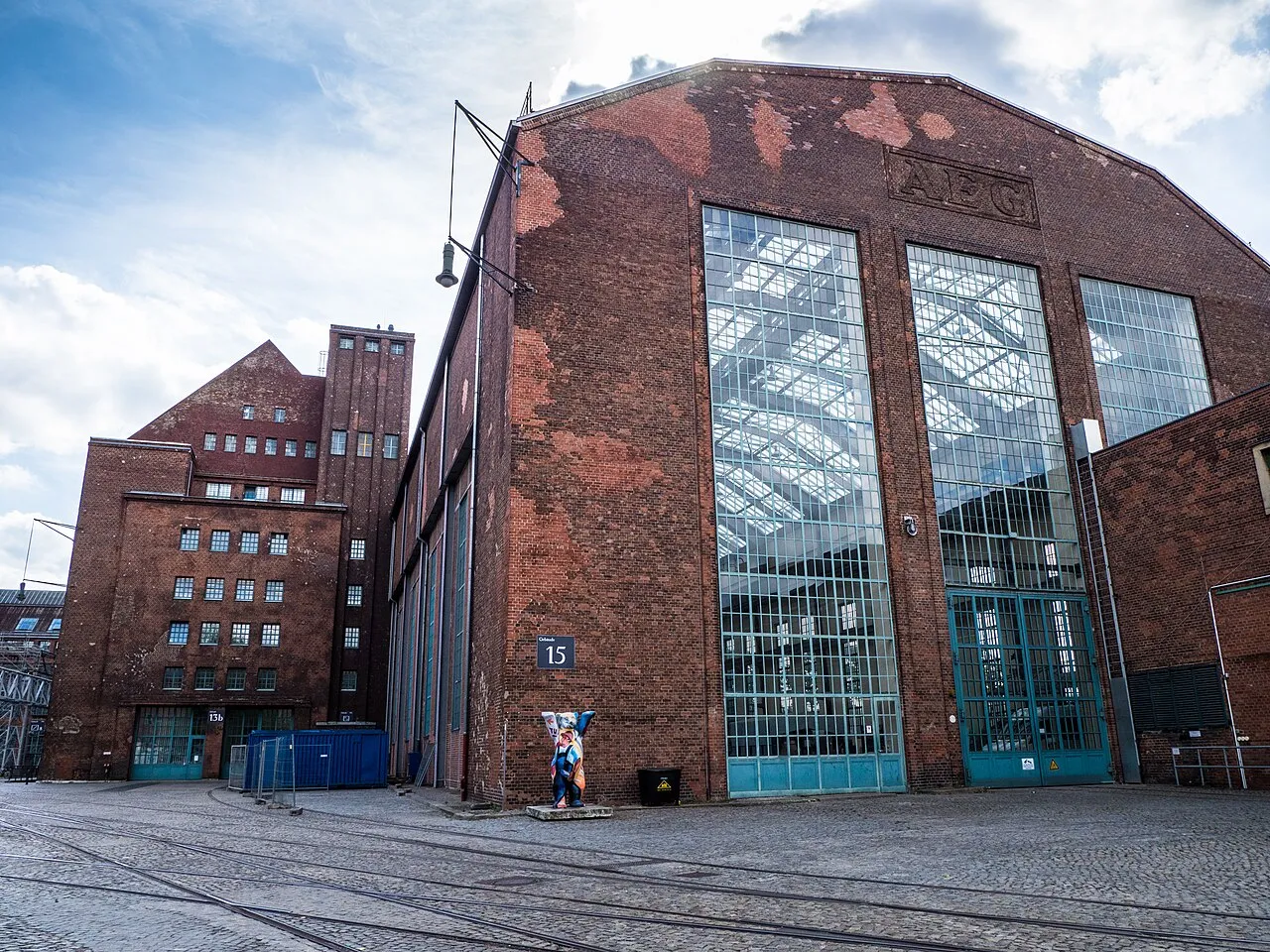
The story of AEG, officially known as Allgemeine Elektrizitäts-Gesellschaft, remains one of the most compelling narratives in European industrial history. Established in 1883 in Berlin by visionary entrepreneur Emil Rathenau, the company started after acquiring rights to Thomas Edison's electric light bulb patents at the Paris International Exposition. Rathenau's pioneering vision quickly transformed the urban landscape, introducing electrical lighting to cafés, theaters, and municipal networks across Germany through dozens of newly established power stations.
As the decades progressed into the 20th century, AEG solidified its position as a dominant global force in electrical engineering and power transmission. Credited with numerous groundbreaking inventions and pioneering achievements in alternating current systems, the company expanded aggressively into railways, automobiles, and aviation. By 1930, contemporary records acknowledged it as the largest electrical manufacturing concern in Germany and a vital pillar of the global industrial economy.
Related Stories

Get the Latest Sports News from Seymour's Bird
Receive the latest updates on football, basketball,and technology news directly in your inbox. It's free!
SubscribeHowever, the company's trajectory took a dark turn during the Second World War as it aligned with the Nazi regime. AEG heavily profited from rearmament contracts and notoriously utilized thousands of forced laborers and concentration camp prisoners under brutal conditions. Following the devastation of the war, the organization lost its eastern assets, relocated its headquarters to Frankfurt am Main, and merged with Telefunken in 1967 in an effort to regain its footing in a changing economic landscape.
Despite attempts to modernize and restructure, severe financial troubles plagued AEG through the 1970s and early 1980s, culminating in a historic bankruptcy filing in 1983. Daimler-Benz subsequently acquired the remnants of the company, systematically carving up and selling off its diverse divisions throughout the 1990s. Although AEG was formally dissolved as an independent entity in 1996, the iconic brand lives on today under the ownership of Swedish appliance giant Electrolux.
Legacy of Innovation and Controversy
Beyond its business achievements, AEG revolutionized corporate culture by hiring architect Peter Behrens in 1907 as its artistic adviser. Behrens is widely recognized today as the world's first corporate designer, unifying the company's product lines, advertising materials, and factory architecture under a cohesive aesthetic philosophy. His monumental turbine factory in Berlin stands as an enduring masterpiece of modern industrial architecture.
The corporation's wartime complicity remains a sobering chapter that later prompted financial reparations. In an effort to address its historical abuses, AEG joined other major German industrial firms in contributing tens of millions of Deutsche Marks to the Jewish Claims Conference to compensate victims of forced labor.
Technical innovation defined much of the company's golden age, particularly in long-distance power transmission. In 1891, engineers Mikhail Dolivo-Dobrowolsky and Oskar von Miller successfully demonstrated the transmission of high-voltage alternating current over a distance of 175 kilometers from Lauffen to Frankfurt, proving the commercial viability of wide-scale electrification.
Today, while the corporate titan itself is long gone, the legacy of AEG endures in modern engineering standards and household appliances. The brand continues to represent a complex era of rapid technological progress, industrial ambition, and the profound social costs of corporate complicity during wartime history.