
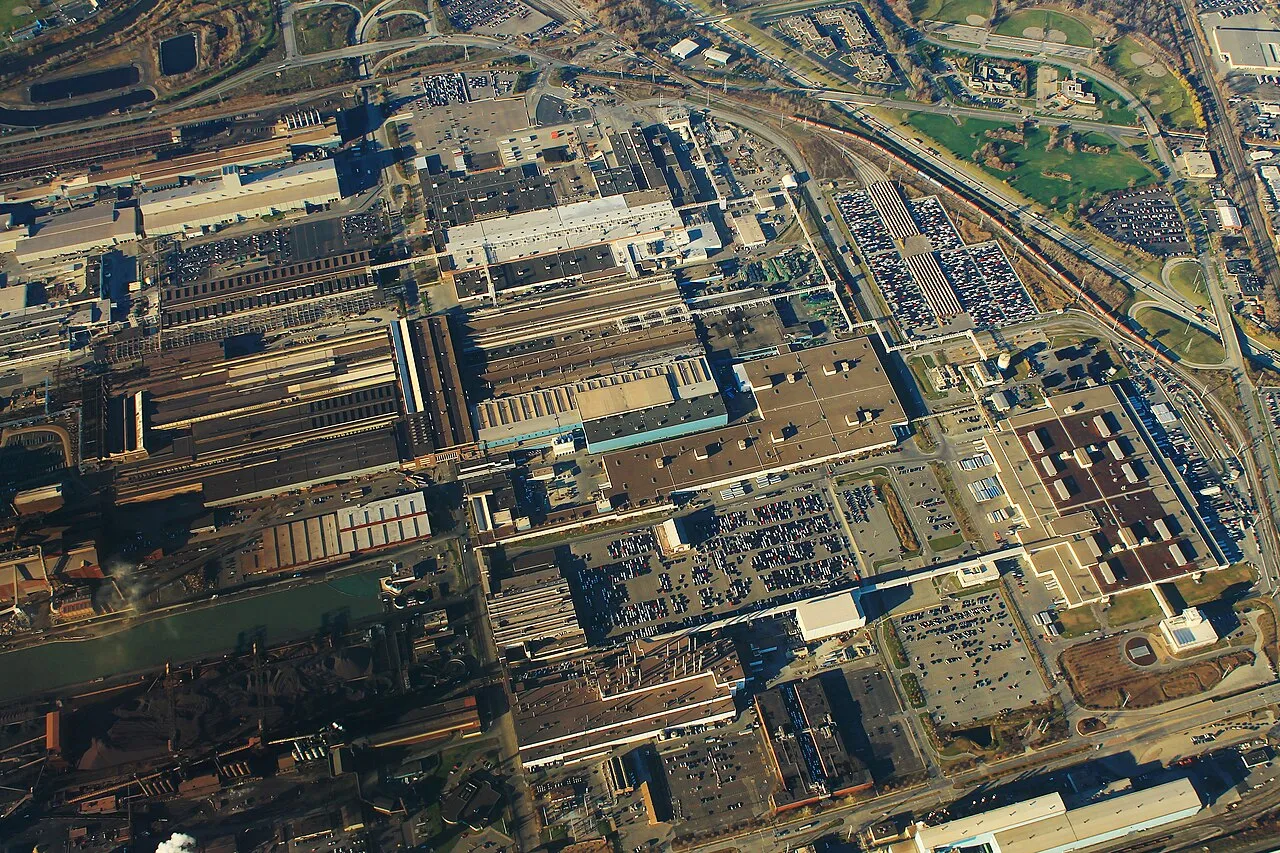
Ford River Rouge Complex stands as an enduring symbol of American industrial might, transforming raw materials into fully operational vehicles within a single massive campus in Dearborn, Michigan. Established under the vision of Henry Ford and completed in 1928, the titanic production facility revolutionized manufacturing through unprecedented vertical integration, boasting its own docks, railway lines, and power plants.
The origins of the expansive site date back to 1915 when Henry Ford initially acquired the land with intentions of creating a wildlife sanctuary. Priorities shifted rapidly following federal requests during World War I, prompting the construction of foundational buildings like Building B to manufacture patrol craft and essential military hardware.
Related Stories

Get the Latest Sports News from Seymour's Bird
Receive the latest updates on football, basketball,and technology news directly in your inbox. It's free!
SubscribeSpanning roughly one and a half miles wide by one mile long, the historic complex features iconic architecture designed by Albert Kahn, including advanced glass and tire plants defined by large glass panels and innovative structural roofing. Over decades of operation, the Rouge facility influenced industrial design globally, inspiring major manufacturing complexes from Europe to Asia.
Beyond its impressive production numbers and historical significance, the Rouge has navigated turbulent labor movements, technological transformations, and major facility modernizations. Today, the legendary site bridges a century of automotive heritage with sustainable manufacturing and electric vehicle innovation.
Evolution Toward Electric Vehicles and Sustainable Design
Modernization initiatives at the historic Michigan site have redefined traditional manufacturing standards through groundbreaking ecological and technological integration. In recent years, the facility underwent massive overhauls to incorporate sustainable architecture, most notably featuring a massive vegetative roof covering acres of the truck assembly plant to regulate internal temperatures and manage stormwater naturally.
Building upon its legacy of internal combustion production, the facility entered a new era with the establishment of the Ford Rouge Electric Vehicle Center. Representing a multimillion-dollar investment, the advanced center was constructed specifically to manufacture the all-electric Ford F-150 Lightning, drawing high-profile attention and political endorsement for clean automotive technology.
Throughout its century of operation, the Rouge has continually adapted to changing consumer demands while maintaining its status as the oldest operating automobile plant in the United States. From producing Model A parts and wartime military equipment to assembling iconic Mustangs and modern electric trucks, the complex remains at the vanguard of automotive engineering.
As the historic site looks toward the future, it balances deep-rooted industrial heritage with forward-looking environmental stewardship. The transformation of the Ford River Rouge Complex underscores a permanent shift in how heavy industry approaches energy efficiency, technological evolution, and sustainable corporate growth.