
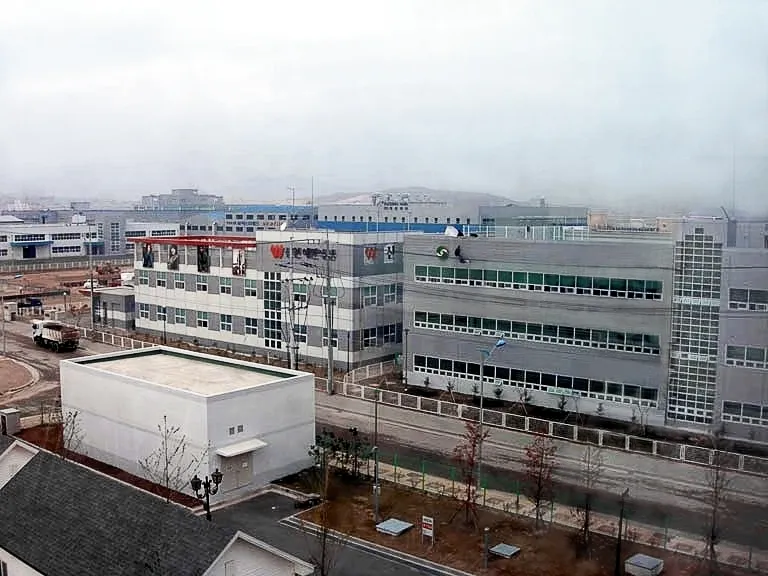
The Kaesong Industrial Region represents one of the most intriguing collaborative economic projects between North Korea and South Korea, established to foster cross-border business development. Located just north of the Demilitarized Zone, the industrial park allowed South Korean companies to utilize educated, skilled, and Korean-speaking labor while providing Pyongyang with a vital source of foreign currency.
Construction of the park began in 2003 following bilateral agreements, and by the peak of its operations, over 100 South Korean firms were manufacturing various goods ranging from textiles and clothing to electronics and machinery. The initiative was seen by many as a beacon of hope for reducing peninsula tensions through shared economic interdependence and commercial engagement.
Related Stories

Get the Latest Sports News from Seymour's Bird
Receive the latest updates on football, basketball,and technology news directly in your inbox. It's free!
SubscribeHowever, the industrial zone frequently faced geopolitical hurdles, including border restrictions, temporary shutdowns during heightened military crises, and disputes over wages and taxes. U.S. economic sanctions against North Korea also presented ongoing challenges by restricting the import of key technologies and essential equipment into the complex.
The partnership ultimately came to a halt in February 2016 when the South Korean government announced a suspension of operations following North Korean missile and nuclear tests. While domestic political debates in Seoul persisted over whether the closure effectively curbed Pyongyang's ambitions or merely severed a crucial diplomatic lifeline, the future of the Kaesong Industrial Region remains a poignant symbol of the fragile relationship between the two nations.
Political Divisions and the Economic Fallout

The abrupt shutdown of the complex triggered intense debates within South Korean domestic politics regarding the most effective strategy for managing relations with Pyongyang. Ruling party officials defended the suspension as a necessary security measure to prevent funds from supporting prohibited weapons programs, while opposition lawmakers argued that closing the zone eliminated a rare channel for peaceful communication.
Subsequent investigative findings further complicated the narrative, with panels noting a lack of direct evidence confirming the diversion of worker wages toward military development. Despite these findings, the physical infrastructure of the joint venture remains idle, serving as a reminder of the delicate balance between economic pragmatism and national security on the Korean peninsula.