
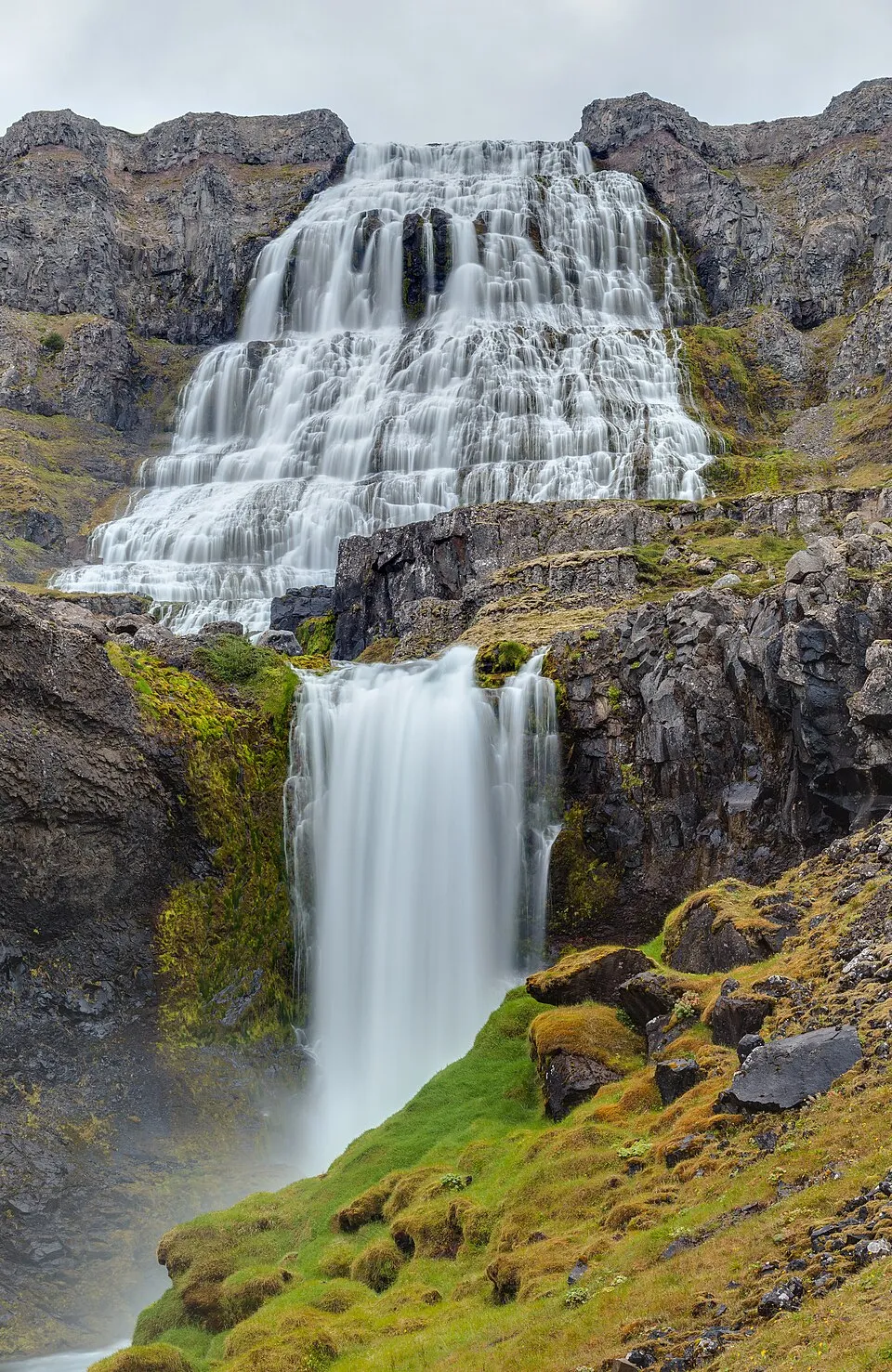
Waterfalls represent dynamic geographical points where rivers or streams plunge over vertical or steep drops, shaped primarily by differential rock erosion. A river typically flows over resistant caprock before hitting softer, fast-eroding rock below, creating a steep descent that retreats upstream over time. These natural spectacles have fascinated scientists, explorers, and local communities for centuries, serving as both religious sanctuaries and formidable navigation barriers.
The geological mechanics behind these formations involve complex processes such as hydraulic action, undercutting, and potholing. Turbulent whirlpools and water-borne sediment carve deep plunge pools and gorges, while rock shelters form behind cascading water as weaker strata erode. Although most waterfalls are found in upper river courses or hanging valleys carved by glaciers, unique phenomena like underwater waterfalls also exist where cold, dense ocean water plunges beneath warmer currents.
Related Stories

Get the Latest Sports News from Seymour's Bird
Receive the latest updates on football, basketball,and technology news directly in your inbox. It's free!
SubscribeBeyond their striking physical appearance, waterfalls create specialized microclimates characterized by lower temperatures and elevated humidity. These localized conditions support unique ecosystems, including disjunct plant populations, specialized aquatic insects, and nesting birds like the black swift. Furthermore, waterfalls strongly influence the distribution and movement of various river organisms, shaping the ecological balance of surrounding aquatic and terrestrial habitats.
Human interaction with waterfalls spans from prehistoric exploration to modern hydroelectric power generation and global tourism. While historical figures and European explorers documented and named numerous falls during the age of discovery, modern human development has threatened several iconic sites through dam construction and water diversion. Today, many remaining waterfalls are protected within World Heritage Sites, balancing public recreational interest with crucial environmental preservation efforts.