
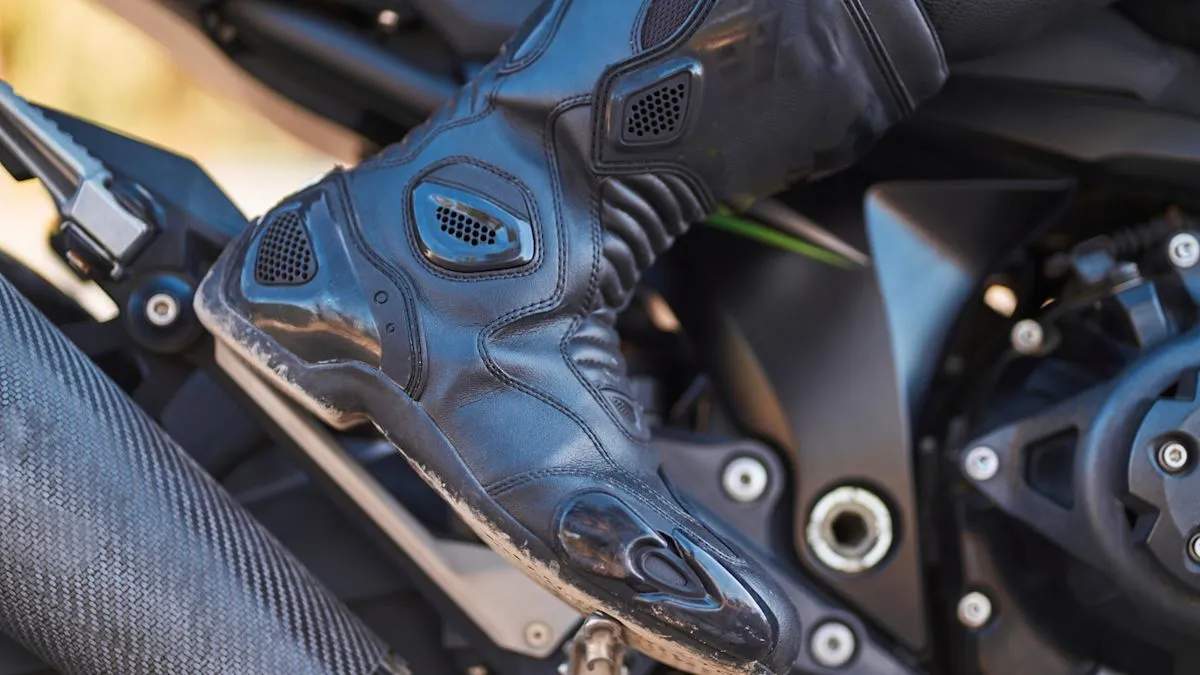
Motorcycle boots safety remains a critical concern for riders navigating high-density traffic and open highways alike, as highlighted by recent National Highway Traffic Safety Administration statistics showing tens of thousands of injuries annually. While motorcycles provide unmatched economic utility and freedom, their lack of a protective metal cage places the entire burden of physical defense squarely on the rider's gear.
Engineered specifically to combat severe impact and abrasion hazards, professional-grade motorcycle boots integrate robust materials like reinforced leather, synthetic fibers, and strategic metal components. These structural reinforcements work collectively to shield the ankles, feet, and lower shins from crushing forces or catastrophic friction burns during a sudden skid.
Related Stories

Get the Latest Sports News from Seymour's Bird
Receive the latest updates on football, basketball,and technology news directly in your inbox. It's free!
SubscribeMarket varieties range significantly in design and application, with racing boots commanding the highest tier of protection for track and high-speed environments. Conversely, everyday cruiser boots prioritize casual comfort at the expense of heavy structural fortification, leaving touring and adventure options to bridge the gap with mid-level versatility.
Understanding European CE certification standards gives discerning riders a reliable framework to decode boot durability, thanks to standardized labeling that assesses height, abrasion limits, and lateral stiffness. By paying close attention to these rating numbers stamped on the tongue, motorcyclists can make informed choices to safeguard their long-term health.
Decoding CE Ratings And Armor Effectiveness
Navigating safety certifications can often feel overwhelming, but European Conformity guidelines offer clear numerical indicators for boot integrity. The specific digits printed beneath the motorcycle symbol convey vital performance metrics regarding structural resilience and crash survival.
The initial sequence typically designates boot height, differentiating between ankle-only coverage and full shin-length protection. Subsequent digits rigorously evaluate abrasion endurance and impact cut resistance, ensuring the outer shell can withstand severe asphalt contact.
Lateral stiffness represents the final crucial metric, measuring how effectively a boot can resist crushing weights if a motorcycle traps the rider's foot during a spill. Higher ratings across these categories directly correlate with superior accident survivability and reduced injury severity.
Investing time in selecting certified gear ultimately transforms a routine ride into a safer journey, reminding every enthusiast that proper equipment is just as important as defensive driving skills.