
Monaco Grand Prix remains an unmatched pinnacle of motorsport prestige, drawing global attention annually to the treacherous and glamorous street circuit of Monte Carlo. Established back in 1929, this legendary race forms an essential pillar of the coveted Triple Crown of Motorsport alongside the Indianapolis 500 and the 24 Hours of Le Mans.
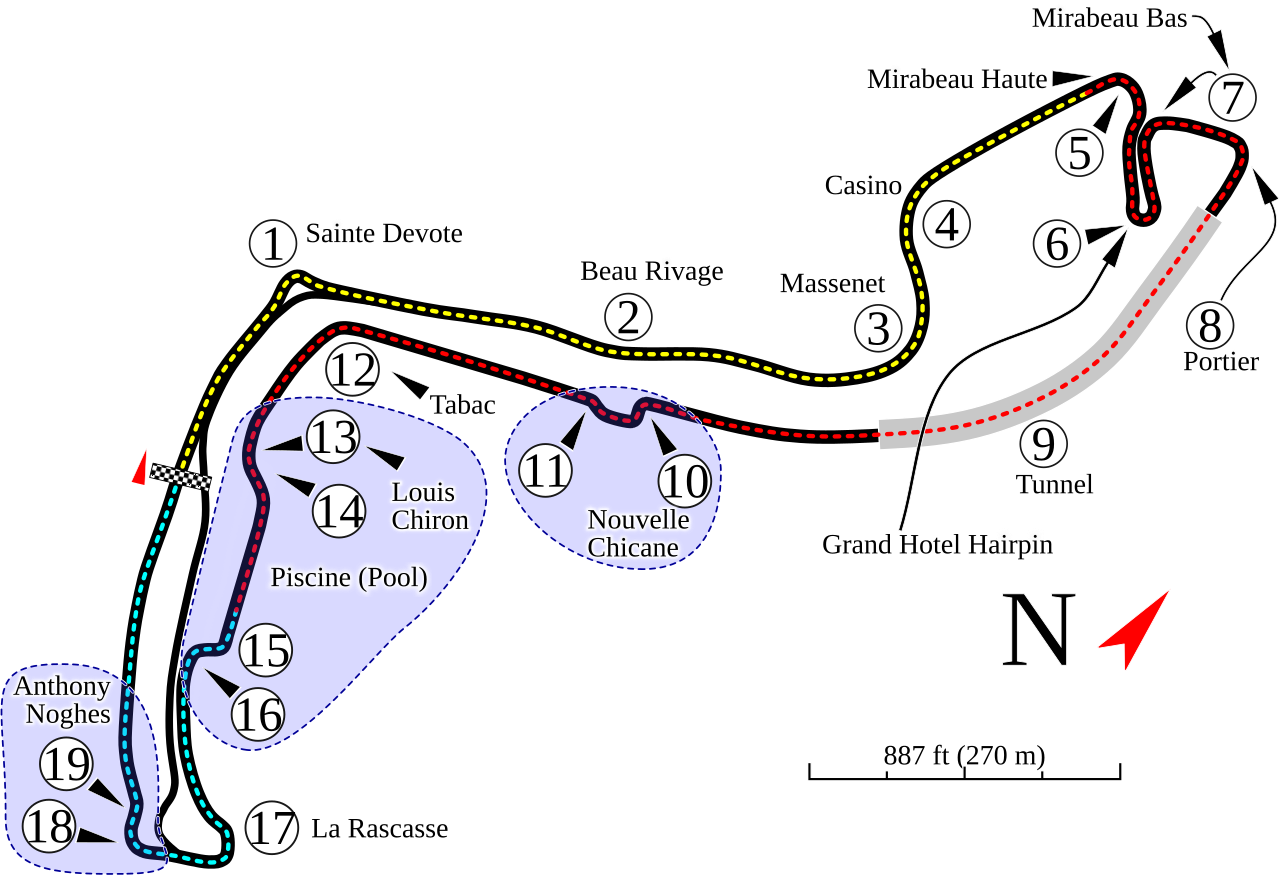
The circuit layout winds tightly through city streets featuring narrow corners, dramatic elevation changes, and a famous tunnel, creating a uniquely demanding challenge for Formula One drivers. Despite maintaining lower average speeds compared to traditional tracks, the proximity of barriers leaves zero room for error, routinely bringing safety cars into play.
Related Stories

Get the Latest Sports News from Seymour's Bird
Receive the latest updates on football, basketball,and technology news directly in your inbox. It's free!
SubscribeOrganized initially by Antony Noghès under the auspices of Prince Louis II and the Automobile Club de Monaco, the inaugural race launched a rich tradition of endurance, skill, and elite competition. Legendary figures such as Graham Hill, famously dubbed Mr. Monaco, and Ayrton Senna carved their names into history with extraordinary multiple victories across the decades.
Today, the event continues to blend elite sporting competition with international luxury, maintaining its unique exemption from standard distance rules while celebrating nearly a century of high-octane racing heritage.
Evolution of a Legendary Street Circuit
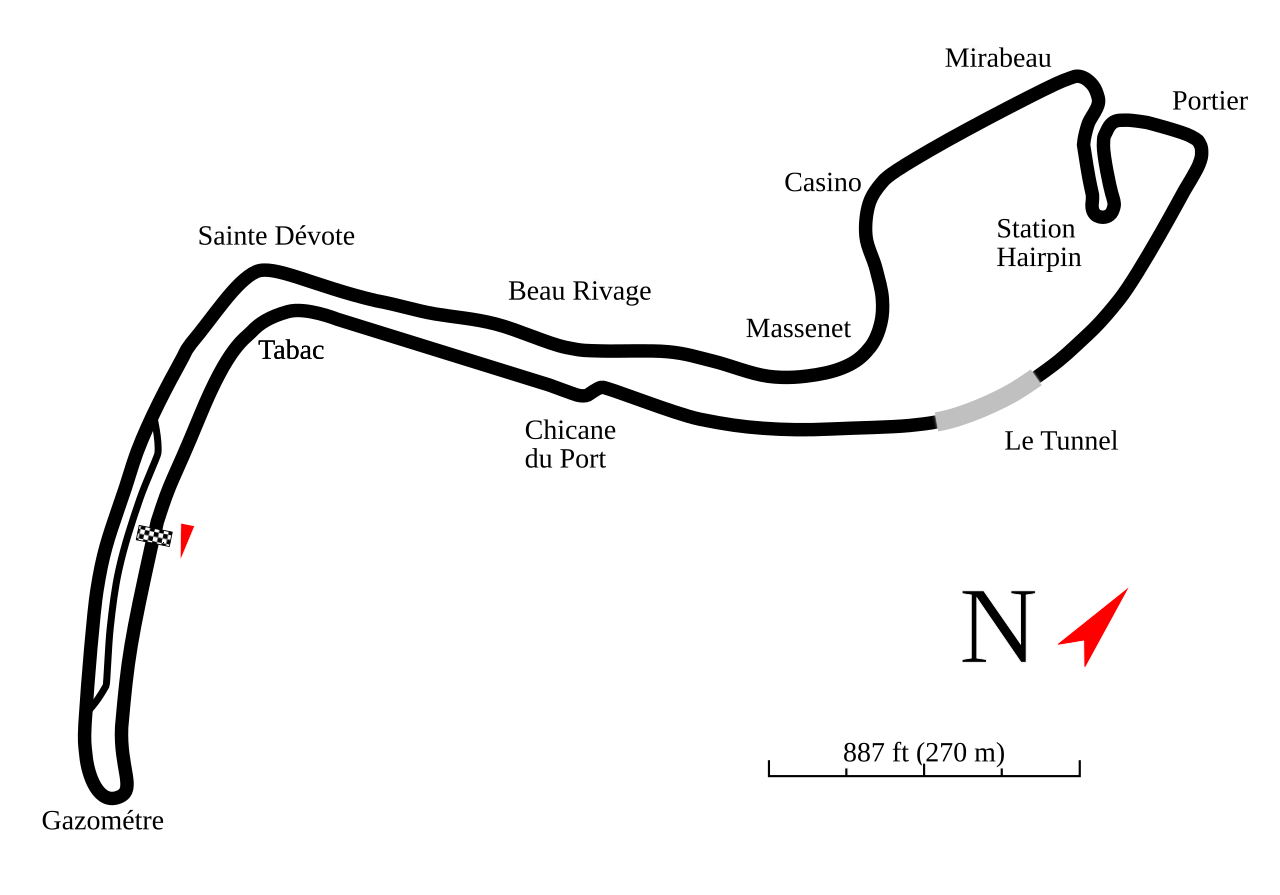
From its pre-war European Championship roots to its modern era as a staple of the Formula One calendar, the Monaco track has undergone continuous safety and infrastructural adaptations. The introduction of Armco barriers in the early 1970s transformed what was essentially an everyday road course into a safer, highly regulated racing venue.
Historic moments, unexpected winners, and fierce duels have defined the race's legacy, highlighted by legendary drivers mastering the shifting weather and unforgiving asphalt of the principality. Notable triumphs by local heroes like Louis Chiron and Charles Leclerc added deeply emotional chapters to the event's storied timeline.
Financial hurdles, war interruptions, and shifting car regulations occasionally threatened the race's continuity, yet the organizing committee consistently revived the tradition to preserve its unmatched status in global sport.
As modern Formula One evolves, the Monaco Grand Prix endures as a timeless spectacle, bridging a glorious past of classic motor racing with the high-tech demands of contemporary motorsport.